Waking up every morning to a floating home above a world-class dive site is a privilege. No worrying about loading gear on a crowded dive centre. Just you, the warm water, and the stunning reefs. Remote, unspoiled, and untouched parts of the ocean await you.
Over the hidden lagoons of Raja Ampat, the infamous reefs of the Red Sea, and the beautiful atolls of the Maldives. Liveaboard diving is the only way to access these underwater paradises that are located hours away.
Day boats only offer a fraction of what these locales have to offer, so for those who enjoy the beauty of the underwater world, I’d suggest a liveaboard. More time underwater, and at a better value.
What Is It About Liveaboard Diving That Makes It So Unique?
The best dive sites in the world all have one thing in common: they are far from land. Raja Ampat in Indonesia is famous for having the most marine biodiversity on Earth. Over 1,600 fish and 600 coral species live in its remote reefs and atolls. But most of these underwater treasures are still too far away for day trips.
Only liveaboard boats can travel the long distances needed to really see these areas. Your floating hotel is the way to dive sites that not many people have ever seen.
Dive Into Pristine, Untouched Reefs
Throughout the year, the value of isolated reefs is quite high. This distance is what protects reefs from overexploitation. Liveaboards have the unique opportunity to visit these isolated reefs and atolls. Because of the distance, the divers see a notable difference underwater.
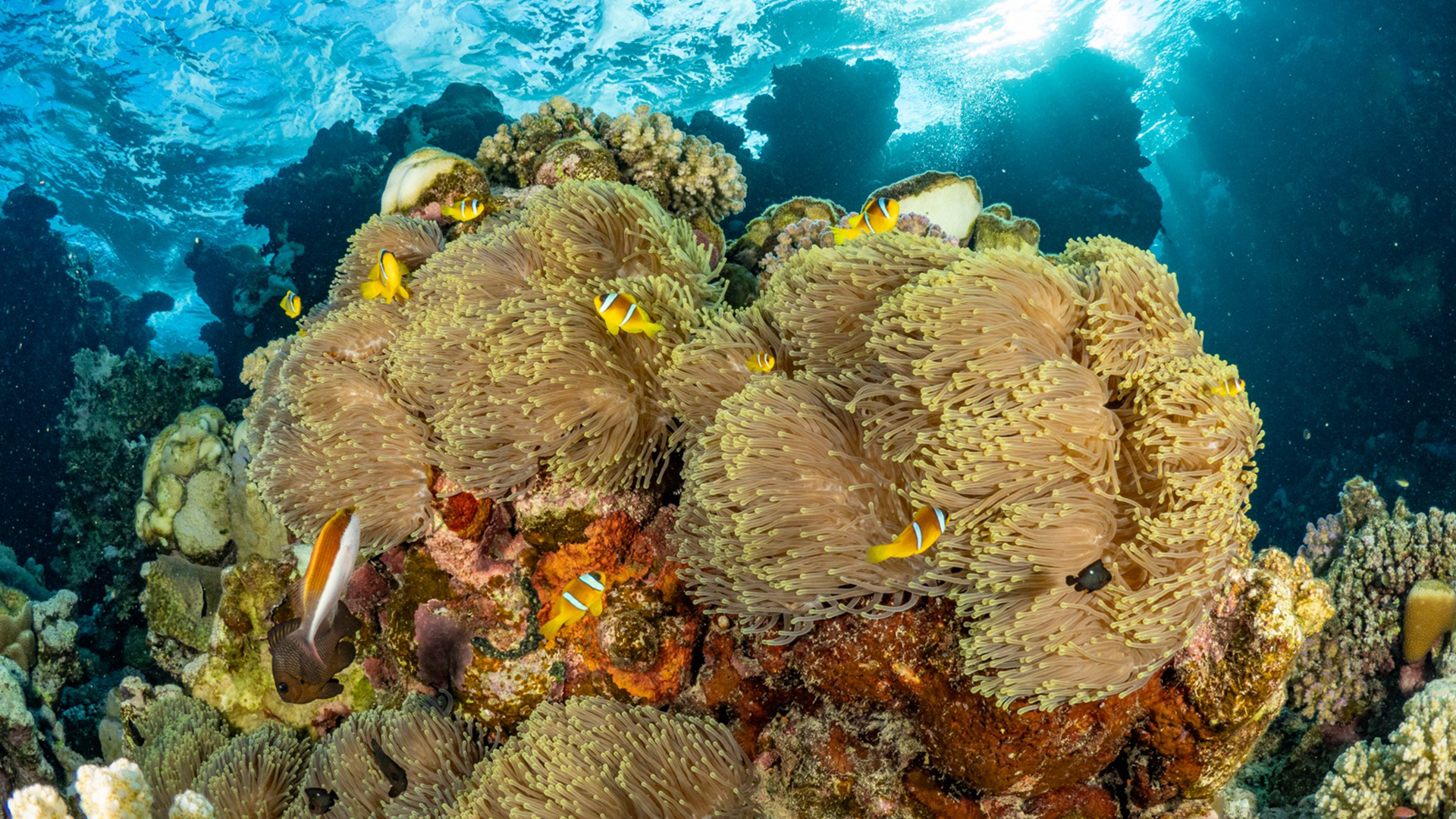
Healthy, biologically diverse, and self-sustaining coral reefs prosper in the absence of diver and boat traffic. With minimal human interaction, large pelagic species, particularly manta rays, whale sharks, and hammerhead shark packs, frequently cruise through these remote parts of the ocean.
Visiting Misool in the Raja Ampat region might serve as a fine example. Misool is a former shark finning site that has since been converted into a no-take zone. The very scarce human presence is what has resulted in the phenomena of walking sharks and circled barracuda schools. The unique experiences that liveaboard diving has to offer stem from areas like these.
Maximum Dive Time, Minimum Hassle
Liveaboard diving is the best way to live the “eat, sleep, dive, repeat” life. Your gear stays set up the whole time. While you eat breakfast, the tanks are filled. The dive deck is where you keep all your underwater gear.
This streamlined method makes it possible to do up to four dives a day, including early morning and night dives that show off two very different underwater worlds. Dawn dives show predators at their most active: reef sharks hunting, giant trevally schooling, and cleaning stations full of activity.
When you dive at night, reefs you know become strange places. Octopuses come out of their hiding places, Spanish dancers swim through the water column, and bioluminescent plankton make fireworks under the water with every move.
No time wasted on planning. No more moving heavy gear around. No worrying about whether the weather will cancel the dive tomorrow. Your floating base changes to fit the situation and always finds the best spots..
An Experience that will Stay with You Forever
The Magic of Sunrise and Sunset
Liveaboard schedules let you experience the most magical moments of diving. Those early morning dives allow you to experience the most exhilarating time and marine life. Sharks patrol their cleaning stations, manta rays glide through plankton-laden waters, and reef fish begin their daily feeding rituals.
Evening dives reveal the creatures that the day-sleeper species. Crabs scuttle about and moray eels leave their lairs, shifting the entire personality of the reef.
Community at Sea
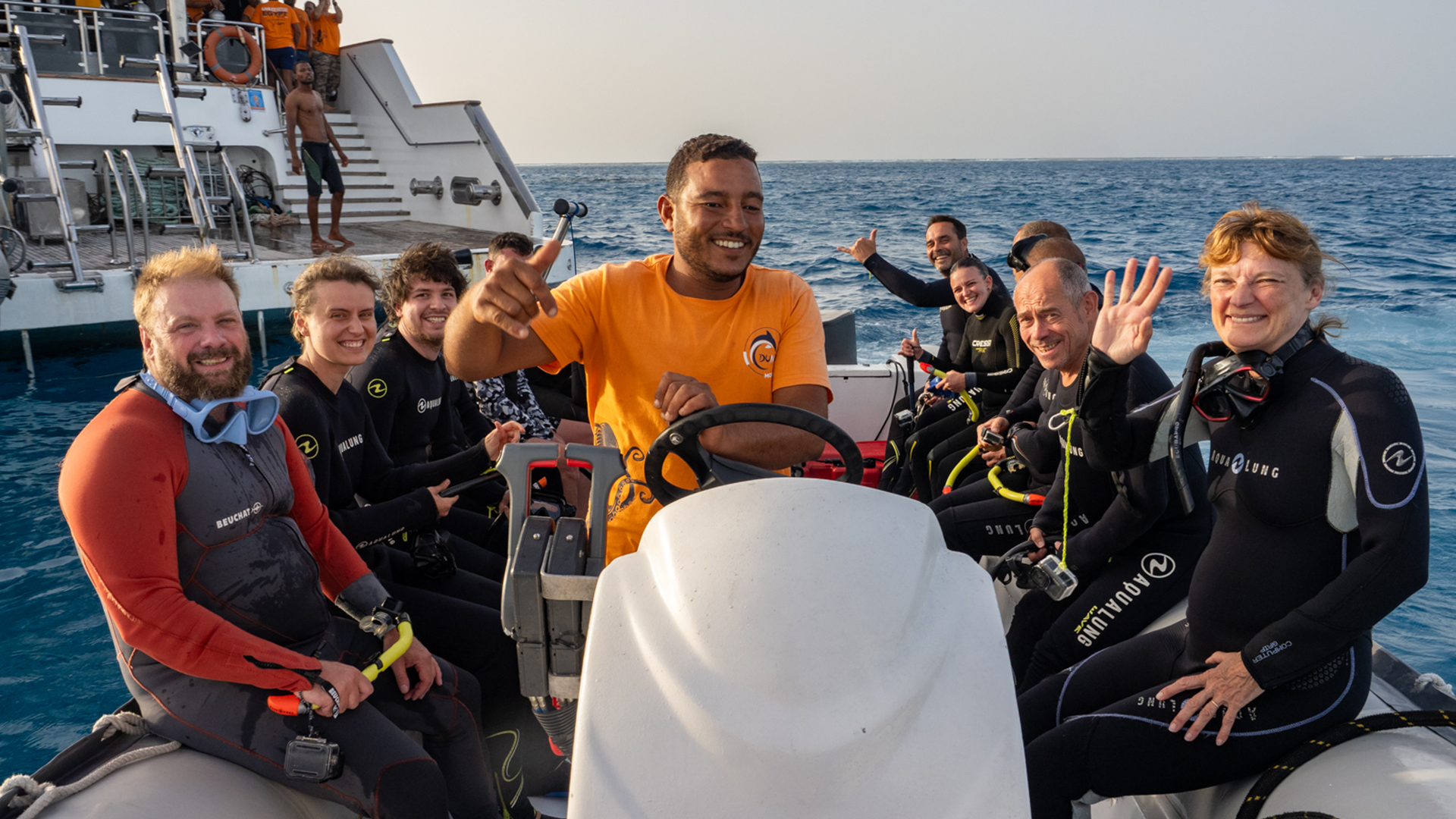
Sharing a week-long adventure with people who also have a passion for diving, creates bonds that endure. With such small group sizes, real friendships become easy and groups of 16 to 20 people enable this to happen. People share meals and stories, diving tips between dives, and group cheers for anyone that spots a manta ray for the first time.
Diving remains a passion, but the social aspect of the experience also remains highly valued and memorable. It is with this social aspect that many guests reunite, diving with the same crew and for the same purpose.
Why Liveaboards Are Such a Great Deal
At first glance, the cost may seem high, but when you look at what you get, liveaboards are a great deal. Most packages include lodging, three meals a day plus snacks, unlimited tea and coffee, and several dives each day.
The truth comes out when you look at the cost per dive. A liveaboard for a week could have 15 to 18 dives. In contrast, diving at resorts often costs $100 to $150 for a two-tank day trip. When you add in the cost of staying at a resort, eating, and getting around, liveaboard diving is often cheaper per dive and provides better experiences.
Itinerary flexibility is very valuable. Experienced captains change their routes based on the weather, the seasonal patterns of marine life, and the interests of the group. Bad weather at one location? No problem—other places will make sure that the best diving continues.
Dune and other companies get this way of thinking. Their boats have lots of room inside and outside, dedicated camera areas with charging stations, and crews that include dive instructors and equipment experts. This level of attention to detail makes sure that every part of your trip is better than you thought it would be.
Frequently Asked Questions
When is the best time of year to go diving on a liveaboard in Raja Ampat?
The best time to go is from October to April, when the seas are calmer and visibility is good. December through March has the best weather, but October and April can be great times to visit because there are fewer people.
What do I need to bring for a week-long liveaboard trip?
Bring reef-safe sunscreen, clothes that dry quickly, your own diving gear (mask, fins, wetsuit), underwater camera gear, seasickness medicine, and clothes for the evening. Most liveaboards have diving gear, but it’s best to bring your own mask and fins to make sure they fit right.
How do liveaboards keep people safe in remote areas where the currents are strong?
Professional liveaboards hire local guides who know how to stay safe and how to read the currents. Zodiac tender boats, oxygen kits, first aid stations, and satellite communication systems are all examples of safety equipment. Dive briefings always go over the current conditions and what to do in case of an emergency.
I want to dive alone. Is a liveaboard a good choice for me?
Yes, of course! Many people who travel alone like liveaboards because they offer an instant diving community. Most operators offer shared rooms, and it’s easy to meet people who share your interests in a small group setting.
What level of a dive certification do I need to go diving on a liveaboard in Raja Ampat?
Advanced Open Water certification is recommended due to deeper dive sites and occasional strong currents. Some sites require Nitrox certification. If you have fewer than 50 logged dives, consider completing additional training before your trip.
Your Gateway to Underwater Paradise
Liveaboard diving offers unparalleled access to pristine dive sites, maximises your underwater time, creates immersive experiences impossible on day trips, and delivers excellent value when all factors are considered.
For serious divers wanting to explore premier destinations like Raja Ampat, the Red Sea, or the Maldives, a liveaboard isn’t just an option—it’s the definitive way to experience these underwater worlds.Ready to dive into the adventure of a lifetime? Explore Dune’s liveaboard destinations and discover why their fleet of luxury vessels, expert crews, and carefully crafted itineraries create diving experiences that last long after you’ve dried your wetsuit.