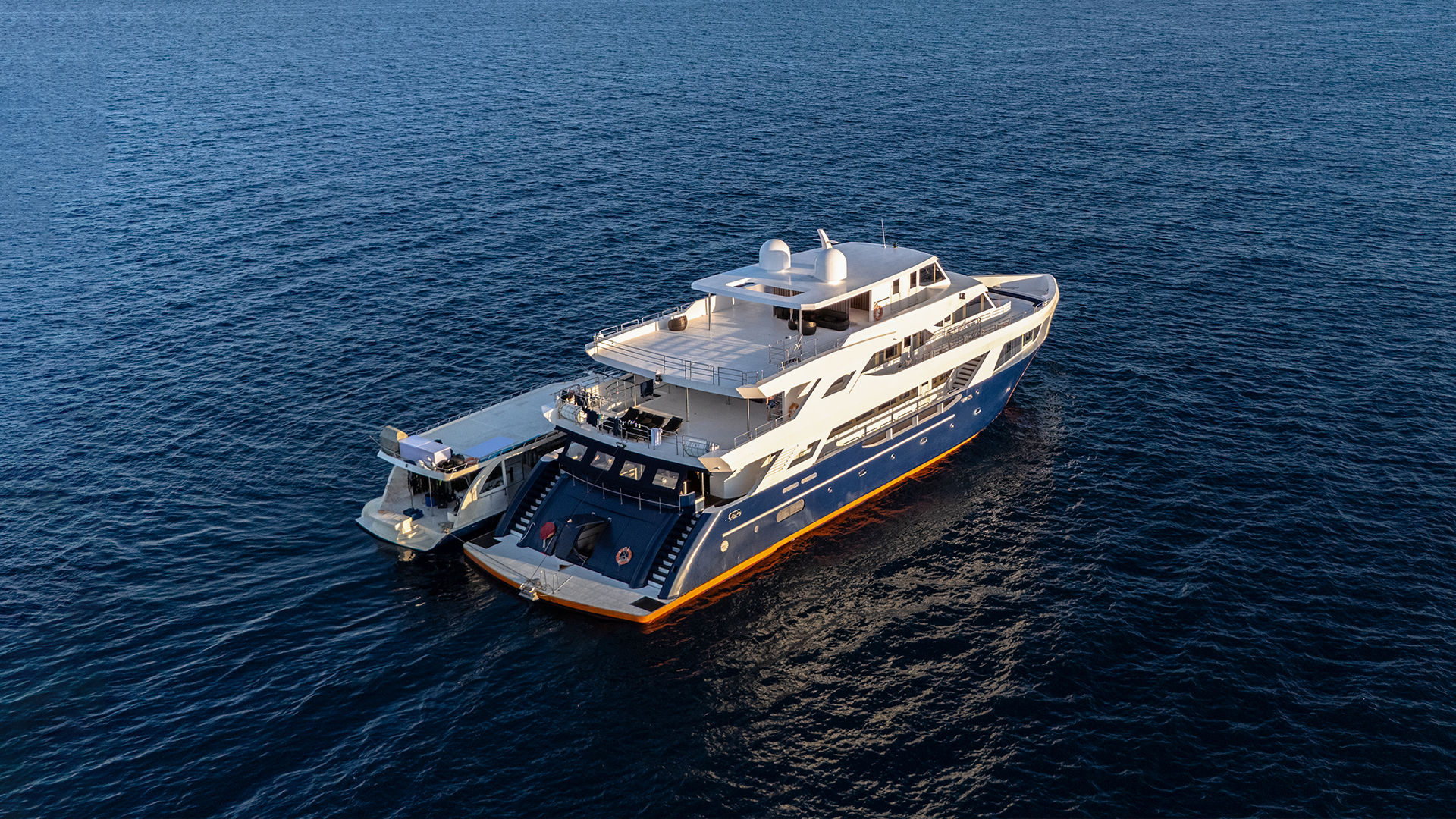
The Central Atolls of the Maldives sailing through the vibrant North and South Ari, Vaavu, and North and South Malé offer a marine theater unlike any other. Whether you are navigating the deep channels (kandus) for hammerhead sharks or drifting over the submerged pinnacles (thilas) where mantas congregate, the environment is as demanding as it is beautiful.To ensure your focus remains on the DUNE Black Manta and the kaleidoscope of coral below, your packing list needs to balance technical utility with tropical comfort. Here is the expanded, comprehensive guide to your 15 essentials.
1. The 1mm Skin or Stinger Suit
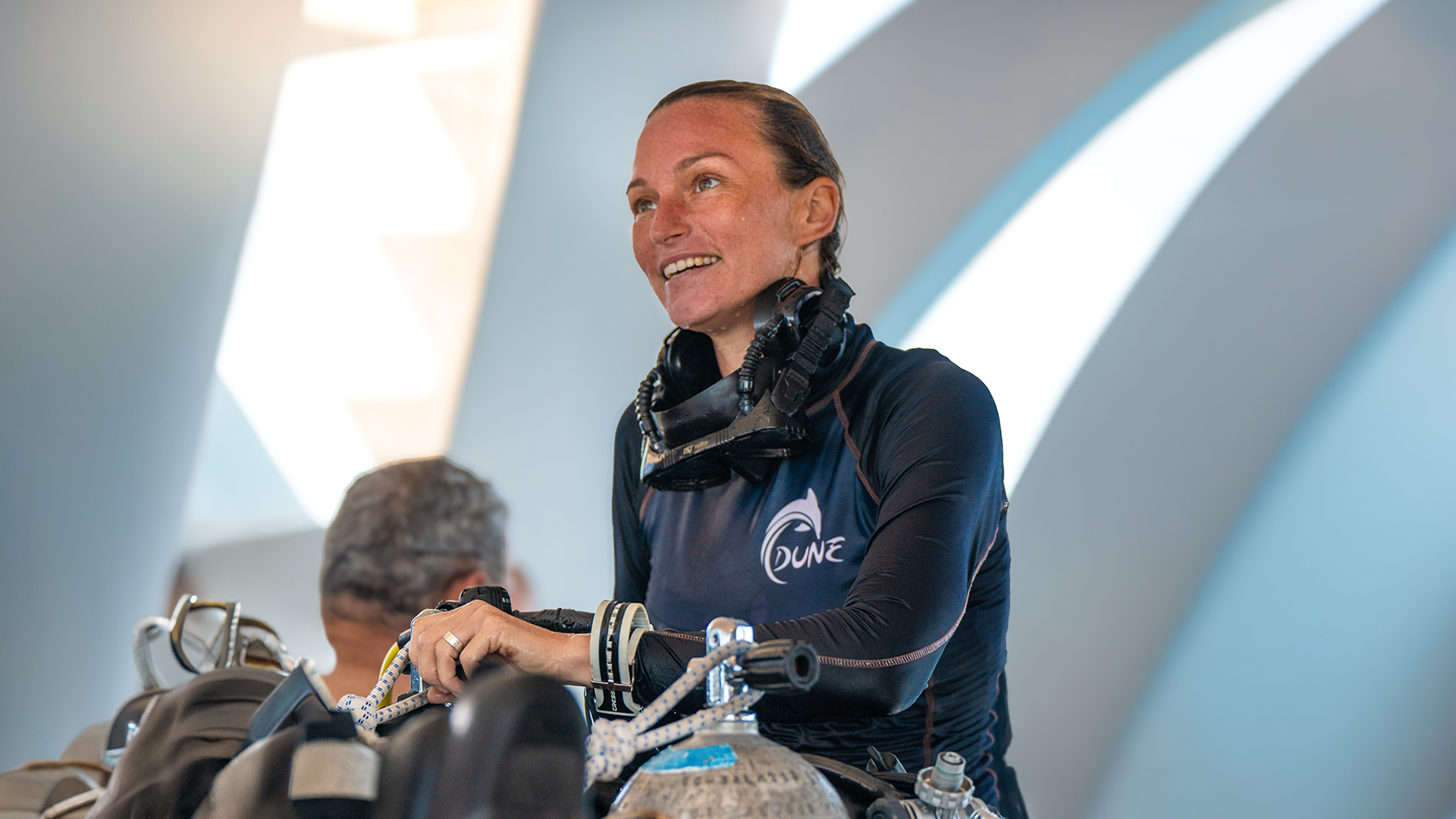
In the 28°C to 30°C waters of the Central Atolls, a heavy wetsuit is often overkill. However, the nutrient-rich currents that draw in the megafauna also bring plankton and sea stingers. A full-length Lycra or 1mm neoprene skin provides a protective barrier against minor abrasions and stings without causing you to overheat.
- Bonus: It provides UPF 50+ protection for those long surface intervals spent snorkeling.
2. Mineral-Based, Reef-Safe Sunscreen
The Maldives’ coral reefs are breathtaking but fragile. Traditional sunscreens contain oxybenzone and octinoxate, chemicals proven to cause coral bleaching. Switch to a high-SPF mineral sunscreen using non-nano zinc oxide or titanium dioxide.
- Pro Tip: Look for “Water Resistant (80 minutes)” labels and apply at least 20 minutes before your first splash to ensure it bonds to your skin.
3. Low-Volume Mask with a Wide Field of View
When a 4-meter manta ray glides over your head, you don’t want your vision restricted by a bulky frame. A low-volume mask sits closer to your eyes, providing a panoramic view.
- The Fit Test: Clear masks let in more light, which is great for photography, while black silicone skirts eliminate distracting glare from the surface.
4. Professional-Grade Leave-In Conditioner
The combination of high salinity and intense UV rays can turn hair into a tangled “bird’s nest” within a single day. Coat your hair in a biodegradable, coconut-oil-based conditioner before you enter the water. This fills the hair shaft so salt water can’t penetrate as deeply.
- The Tool: Keep a wide-tooth detangling comb in your dry bag for a post-rinse brush.
5. High-Quality Polarized Sunglasses
Spotting a “feeding “boiling” on the surface or the dark shadow of a manta from the boat deck requires cutting through the Indian Ocean’s intense glare. Polarized lenses are non-negotiable for manta spotting during the boat transits.The Hack: Use a floating neoprene strap. The Maldives’ sandy bottom is littered with designer frames that didn’t survive a sudden boat lurch.
6. The “Versatile” Kaftan or Sarong
On a liveaboard or at a local island resort, modesty and comfort are key. A lightweight silk or cotton kaftan is the ultimate multi-tasker: it’s a quick cover-up over a damp bikini, a shield against the midday sun, and an elegant outfit for sundowners on the top deck.
7. Long-Sleeved Performance Rash Guard
Even the most diligent sunscreen application can fail during a 60-minute snorkel session. A dedicated rash guard is your primary defense against “snorkeler’s back.” Choose one with a high collar to protect the sensitive skin on the back of your neck.
8. Heavy-Duty Waterproof Dry Bag (15L)
Between the inevitable boat spray and the sudden, vertical tropical downpours of the Maldives, your electronics are always at risk. A 15L dry bag is the perfect size to hold your camera housing, a dry towel, your phone, and a light windbreaker.
9. Electrolyte Rehydration Tabs
Diving and snorkeling in 30°C heat is physically taxing. You lose more fluids through respiration and perspiration than you realize. Standard bottled water often lacks the minerals needed for recovery. Dropping an electrolyte tab into your reusable bottle twice a day prevents the “diver’s fatigue” that can cut your trip short.
10. Concentrated Anti-Fog Gel
The humidity in the Central Atolls can cause even the best masks to fog instantly. While “mask spit” is a classic remedy, a concentrated anti-fog gel creates a much more durable film, ensuring you don’t miss a second of a 45-minute manta encounter because you were busy clearing your mask.
11. Neoprene Fin Socks
Strong currents are a hallmark of the Central Atolls (especially in the channels of Vaavu). If you are using full-foot fins, the constant kicking can cause painful blisters on your heels and toes. A thin pair of Lycra or 1mm neoprene socks eliminates friction and makes long swims effortless.
12. Ultra-Absorbent Microfiber Towel
Traditional cotton towels stay damp and heavy in the high Maldivian humidity. A high-quality microfiber towel dries in a fraction of the time and packs down to the size of a coffee mug, saving precious space in your gear bag.
13. Motion Sickness Prevention (The Plan B)
The “crossings” between atolls can occasionally involve rolling swells. Even if you don’t usually get sea-sick, the heat and diesel fumes can trigger it. Keep ginger chews or acupressure bands handy. If you use medication like Dramamine, remember to take it the night before or at least an hour before the boat leaves the lagoon.
14. Underwater Camera with Red Filters or Video Lights
The Indian Ocean is famous for its “big blue,” but that blue light quickly washes out the vibrant reds and yellows of the soft corals. If you’re filming mantas, a red filter is essential for restoring natural color balance. For those exploring the deep overhangs of the thilas, a small, powerful video light will make the colors “pop.”
15. Wide-Brimmed Hat with a Chin Strap
The Maldivian sun is deceptive when there is a cool sea breeze. A wide-brimmed straw or technical hat protects your face, ears, and scalp. Ensure it has a sturdy chin strap (toggle), as the wind on a moving speedboat will claim any hat that isn’t buckled down.