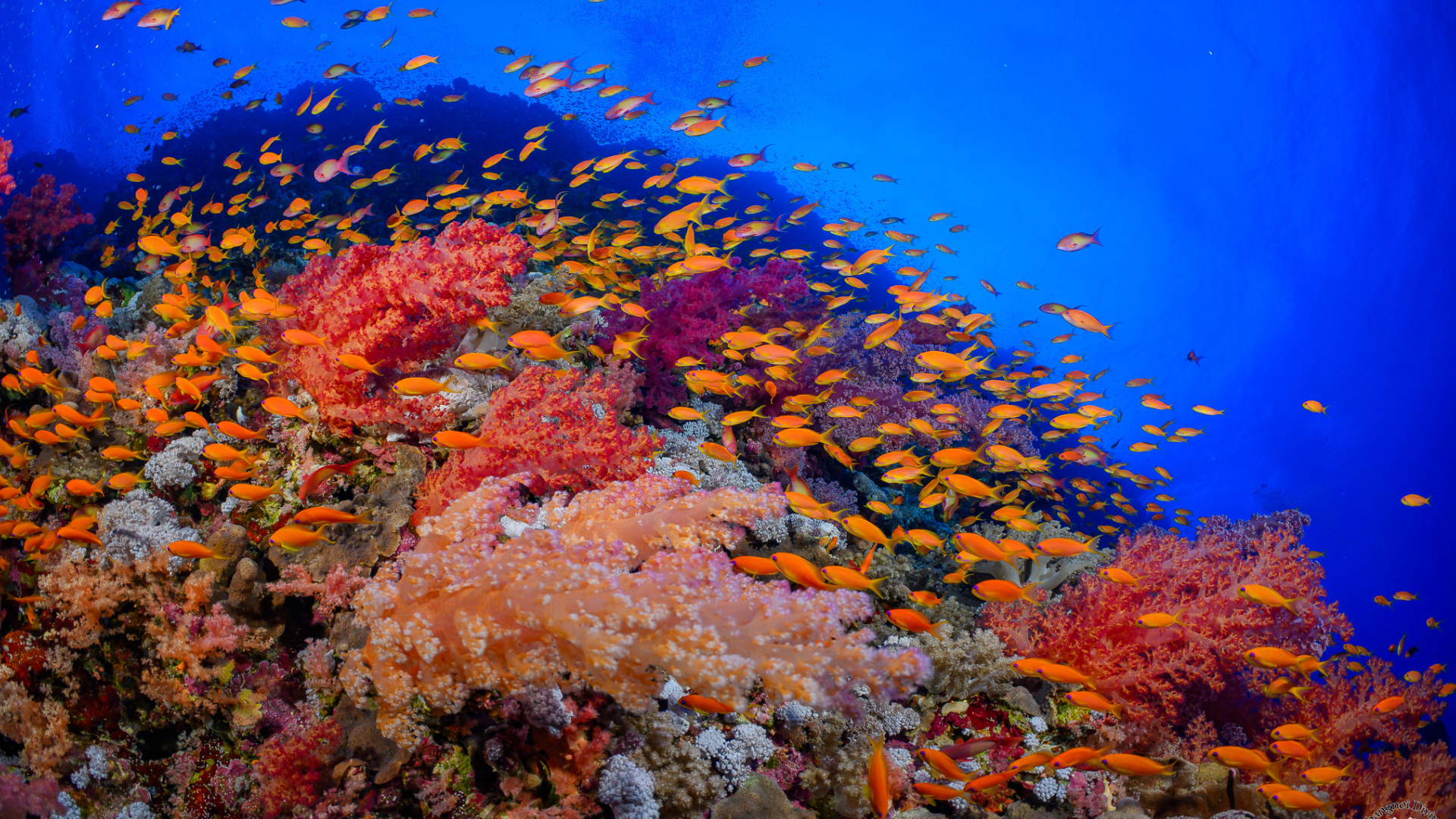
The Red Sea is often talked about as one destination, but it is actually two completely different diving worlds depending on which direction the boat heads. Pick the wrong route for your skill level or interests, and you could spend a week underwater wondering why everyone raves about it. Pick the right one, and the Red Sea delivers exactly what it promised.
This guide breaks down both routes honestly so you can book Red Sea liveaboard diving with the right itinerary from the start.
Key Takeaways: North or South — Which Route Actually Fits You?
- The north is the go-to for wreck lovers, underwater photographers, and divers who want rewarding dives without heavy currents or deep walls.
- The south is built for advanced divers chasing big pelagic encounters: hammerheads, oceanic whitetips, threshers, and manta rays on isolated offshore pinnacles.
- Certification requirements differ significantly. Northern routes typically require Open Water plus 20 to 30 logged dives. Southern marine parks enforce a minimum of Advanced Open Water with 50 or more logged dives.
- Night diving is a highlight of northern itineraries and is common on most routes. It is legally prohibited in the southern offshore marine parks.
- If you genuinely cannot choose, hybrid North and Brothers itineraries exist and give you the best of both worlds in a single extended trip.
The Northern Route: Wrecks, Reefs, and Rewards
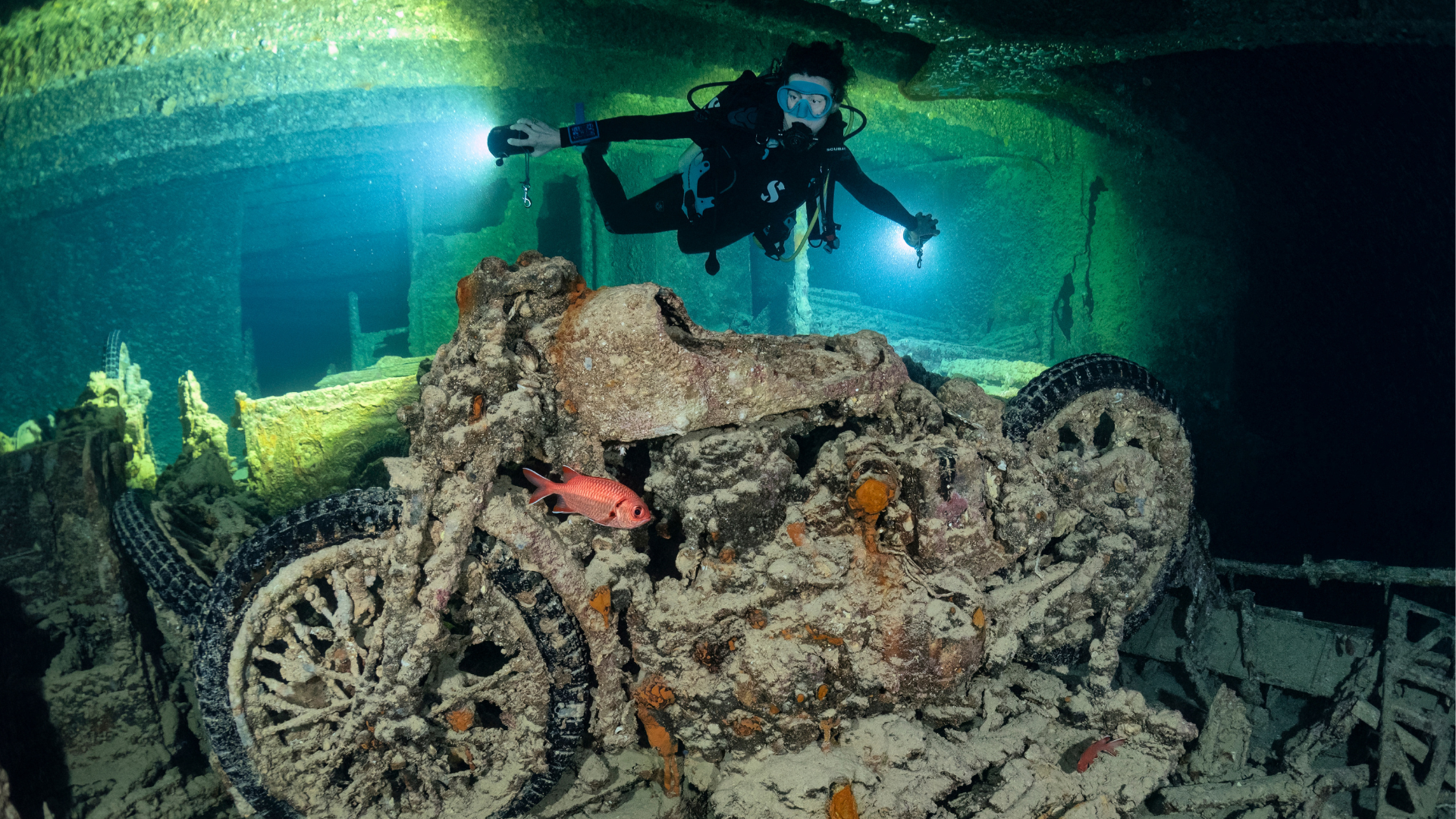
The north is where most divers fall in love with the Red Sea for the first time. Conditions are generally calmer, depths are more forgiving, and the dive sites carry a weight of history that is difficult to find anywhere else in the world.
The SS Thistlegorm alone justifies the flight. This 126-metre WWII British supply ship sits between 18 and 32 metres, its holds still loaded with motorcycles, trucks, and rifles exactly as they were when German bombers caught it at anchor in 1941. Beyond the Thistlegorm, Abu Nuhas offers a shallow reef graveyard with multiple accessible wrecks including the Giannis D and the Carnatic. Ras Mohammed National Park rounds out the route with vertical walls, schooling fish, and some of the most vibrant soft coral in the region. Night diving on these sites is not only allowed but actively recommended, with macro life and reef behaviour that is entirely different after dark.
Who the North Is Right For
Recreational divers with 20 to 30 logged dives who want accessible sites with strong visual rewards. Wreck history enthusiasts who want more than a single dive on a sunken hull. Underwater photographers who need good visibility and varied subjects across a full week.
The Southern Route: Pelagics, Depth, and Open Ocean
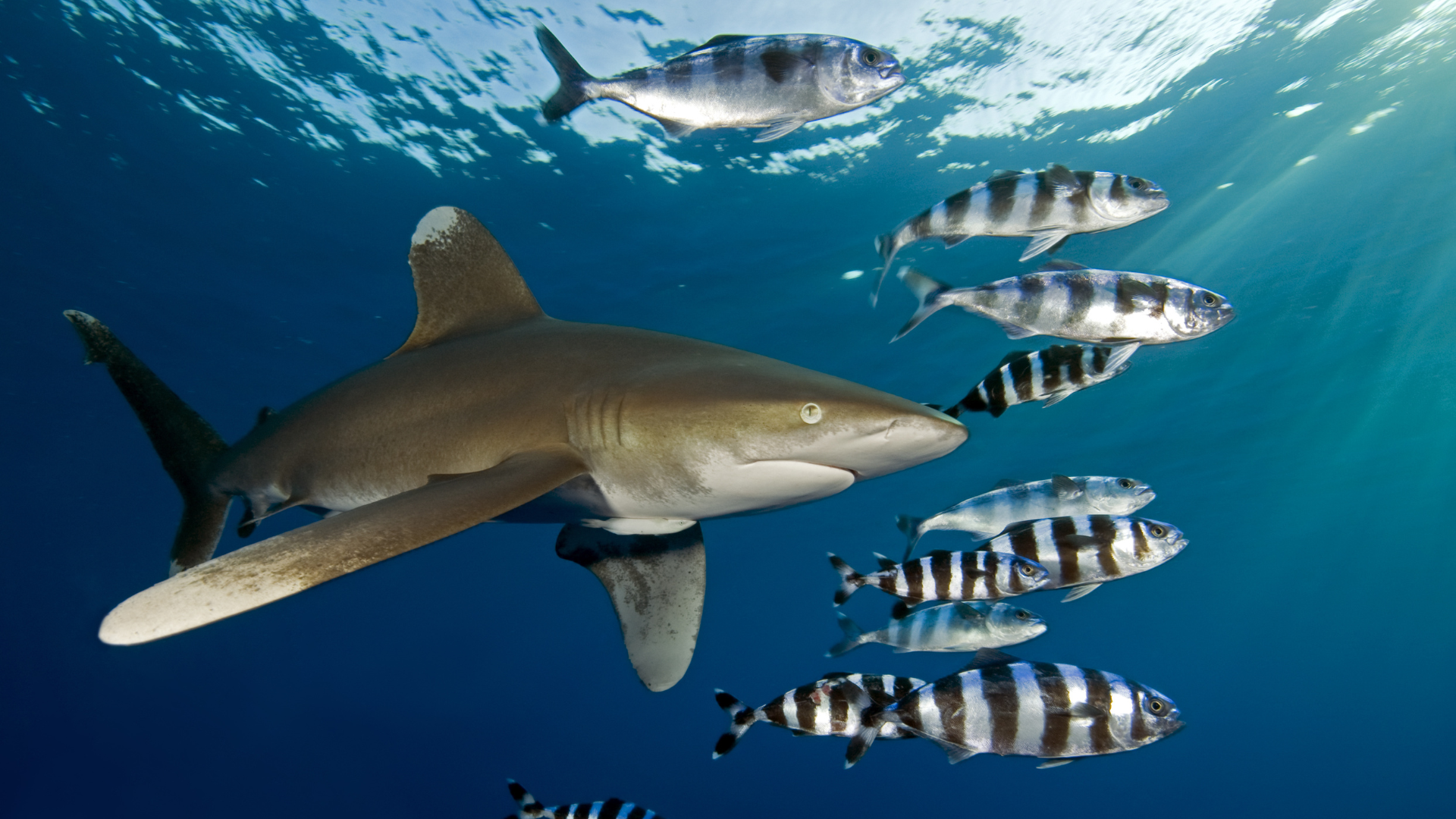
The south operates on a different level entirely. The dive sites are isolated oceanic pinnacles rising from genuinely deep water, the currents are strong and unpredictable, and the marine life is the kind that draws experienced divers back year after year.
The BDE circuit — Brothers, Daedalus, and Elphinstone — is the core of the southern experience. These are serious dives with negative entries, heavy drift potential, and depths that regularly exceed 30 metres. The reward for managing those conditions is consistent encounters with hammerhead sharks, oceanic whitetips, and thresher sharks, plus the occasional manta ray or whale shark. St. John’s Reef and Fury Shoals provide contrast: pristine coral caverns, tunnels, and shallow reef systems that offer a different pace within the same itinerary. What the south does not offer is night diving — it is legally prohibited in the offshore marine parks, and the day dives are demanding enough that most guests do not miss it.
Who the South Is Right For
Advanced Open Water certified divers with 50 or more logged dives who are comfortable in open-ocean conditions. Drift diving enthusiasts who are at ease with strong currents and unpredictable entries. Anyone whose bucket list includes specific shark species in their natural habitat.
North vs South: A Side-by-Side Comparison
Both routes depart from different ports and suit different divers entirely. Here is where they stand against each other on the practical details.
| Feature | Northern Route | Southern Route |
| Primary Draw | Historic wrecks, macro life, reef gardens | Sharks, big pelagics, deep walls |
| Departure Port | Hurghada or Sharm El Sheikh | Port Ghalib or Marsa Alam |
| Minimum Certification | Open Water, 20-30 logged dives | Advanced Open Water, 50+ logged dives |
| Diving Style | Wreck penetration, shallow reefs, night dives | Deep walls, strong currents, drift diving |
| Night Diving | Permitted and recommended | Prohibited in offshore marine parks |
| Best For | Recreational divers, photographers, wreck fans | Advanced divers, thrill seekers, shark enthusiasts |
What Divers Say After Both Routes
The difference between north and south comes through clearly in how guests describe their trips after the fact — it is rarely about one being better than the other, and almost always about which one matched what they came for.
Loreleï H on TripAdvisor, after a June 2026 northern route with DUNE:
“The dives were amazing — so much shipwreck full of history. Thank you Hamada for this incredible organisation, specially to get us the Thistlegorm just for us.”
Having the Thistlegorm without another boat on the horizon is exactly the kind of access a liveaboard delivers that a day charter cannot. Timing matters, and experienced guides know when to arrive.
Cécile Poirier on TripAdvisor, after a southern BDE circuit cruise aboard the Titan:
“Great sports diving cruise on the BDE site. Staff always smiling and ready to help. The guides Magdy, Mien and Hossame were very serious and professional.”
The BDE circuit demands exactly that kind of guide reliability. Strong currents and deep walls leave no room for improvisation, and the DUNE team’s consistency on the southern route is something that comes up repeatedly in independent reviews.
Before You Book: Three Questions Worth Answering First
How many logged dives do I actually have, and does that clear the southern route minimums?
Egyptian coast guard regulations actively enforce the 50-dive minimum for southern marine parks. This is not a guideline that operators can waive on your behalf. If you are sitting at 30 to 40 dives, the north is the correct choice, and it is an excellent one. The Thistlegorm does not require 50 dives to be one of the best wreck dives in the world.
Is free Nitrox available, and does it matter for the route I am booking?
On a demanding southern itinerary with three to four deep drift dives daily, Nitrox manages your repetitive nitrogen exposure and keeps energy levels more consistent across the week. For the northern route, it extends your bottom time on deeper sections of the Thistlegorm significantly. Either way, it is worth confirming before you book rather than treating it as an assumed inclusion.
What if I want both wrecks and pelagics in one trip?
Extended hybrid itineraries, typically branded as North and South or North and Brothers routes, spend the first half of the trip on the northern wrecks before sailing south for the big walls. These run longer than a standard week, but for divers who want the full picture of Red Sea liveaboard diving in a single trip, they are worth considering seriously.
Both Routes Reward the Right Diver
Neither route is better. They are genuinely different trips, and the one that fits depends entirely on what you came to see and what your logbook says you are ready for. The north delivers historical depth and accessible rewards. The south delivers adrenaline and encounters that stay with experienced divers for years.
DUNE runs both itineraries regularly, with departures across the full season and a fleet suited to each route. Check the current schedule and available departures to find the dates that work, or reach the booking team directly at booking@dune-world.com to talk through which route makes sense for your specific certification level and diving goals.