Preparing for a Maldives liveaboard trip is different from packing for a typical beach holiday. If you are planning multiple dives per day in open-ocean conditions, what you bring directly affects your comfort, safety, and overall dive experience.
Here at Dune Liveaboard, we see it every season: well-prepared divers enjoy smoother trips, while small packing oversights can lead to missed dives or unnecessary stress. This guide is built from what we have learned on board with guests diving strong channels, manta cleaning stations, and vibrant reef systems across the Maldives.
Key Takeaways: What Actually Matters on a Maldives Liveaboard
- Safety gear like an SMB and whistle is essential in open-current diving.
- Sun and salt exposure are constant, so reef-safe protection and skin care are practical, not optional.
- Space is limited on board, so lightweight, fast-drying clothing works best.
- Repetitive diving in warm water still leads to cooling — exposure protection matters.
- Spare parts and power solutions can save your trip when you are far from shore support.
Why Packing Smart Matters More on a Maldives Liveaboard
Packing smart is essential especially if you are going on a liveaboard in the Maldives. Liveaboard diving in the Maldives involves strong currents, remote dive sites, and strenuous full-day dive schedules. Unlike resort diving, you don’t return to a dive shop between dives. You are at sea, hours away from the nearest island. Divers today travel with lots of personal equipment, including cameras, dive computers, and custom equipment. That makes preparation personal and important. Small items that feel optional at home often become essential equipment once we are out in the channels or crossing atolls.
Safety Visibility Is Non-Negotiable in Maldivian Currents
Strong channels are part of what makes diving in the Maldives so rewarding, but strong currents mean that divers can surface away from the group. This is why we stress that you must always carry a Surface Marker Buoy (SMB) and a whistle or some sort of whistle-like audible signaling device. These tools are for our dhoni crew to locate you safely if you happen to surface in open water. This is not just a suggestion, it is standard safety practice in the Maldives.
Sun Protection Must be Reef Safe & Reliable
You will be spending a lot of time on the sundeck in the hot equatorial sun, with the sun reflecting off the water. Regular sunscreen is not enough and even some reef is harmful. We suggest a high-SPF, biodegradable sunscreen and a reef safe lip balm. This will help protect your skin during surface intervals while helping reef conservation. It is a small choice that reflects responsible divers and helps to keep the amazing ecosystems of the Maldives safe.
Clothing: Think Practical “Boat Life,” Not Vacation Wardrobe
Cabin storage on a liveaboard is compact. Overpacking quickly becomes inconvenient.
We suggest lightweight, fast-drying clothing like cotton or linen cover-ups, T-shirts, and board shorts. Since you will be in swimwear most of the day, bringing at least three sets ensures you always have something dry between dives. Choosing versatile pieces also makes life onboard simpler and more comfortable throughout the week.
Warm Water Is Not a Guarantee You Won’t Get Cold.
28–30°C is the typical water temperature in the Maldives. To create an overall temperature drop, doing three to four dives each day is necessary. While a 3mm wetsuit or high-quality rash guard does provide thermal protection, it also protects you from the hydroids and little reefs. Midweek, divers who miss the exposure protection will feel it, especially during the longer and drift deeper dives.
Your Best Back-Up Plan Is if You Save-a-Dive Kit
With no access to a dive shop once we leave port, the open sea is full of gear breakdowns. A small gear failure is nearly unavoidable, but being unprepared will sidetrack you. We suggest a small, compact spares kit with straps for your masks, and fins, and a variety of O-rings. If you own proprietary equipment, like a specific computer cable or a certain part of your regulator, a spare will very likely determine whether you can dive or not. Being self-sufficient with little repairs makes a big difference to your dive schedule.
See Clearly Marine Life From The Surface With The Help Of Polarized Sunglasses.
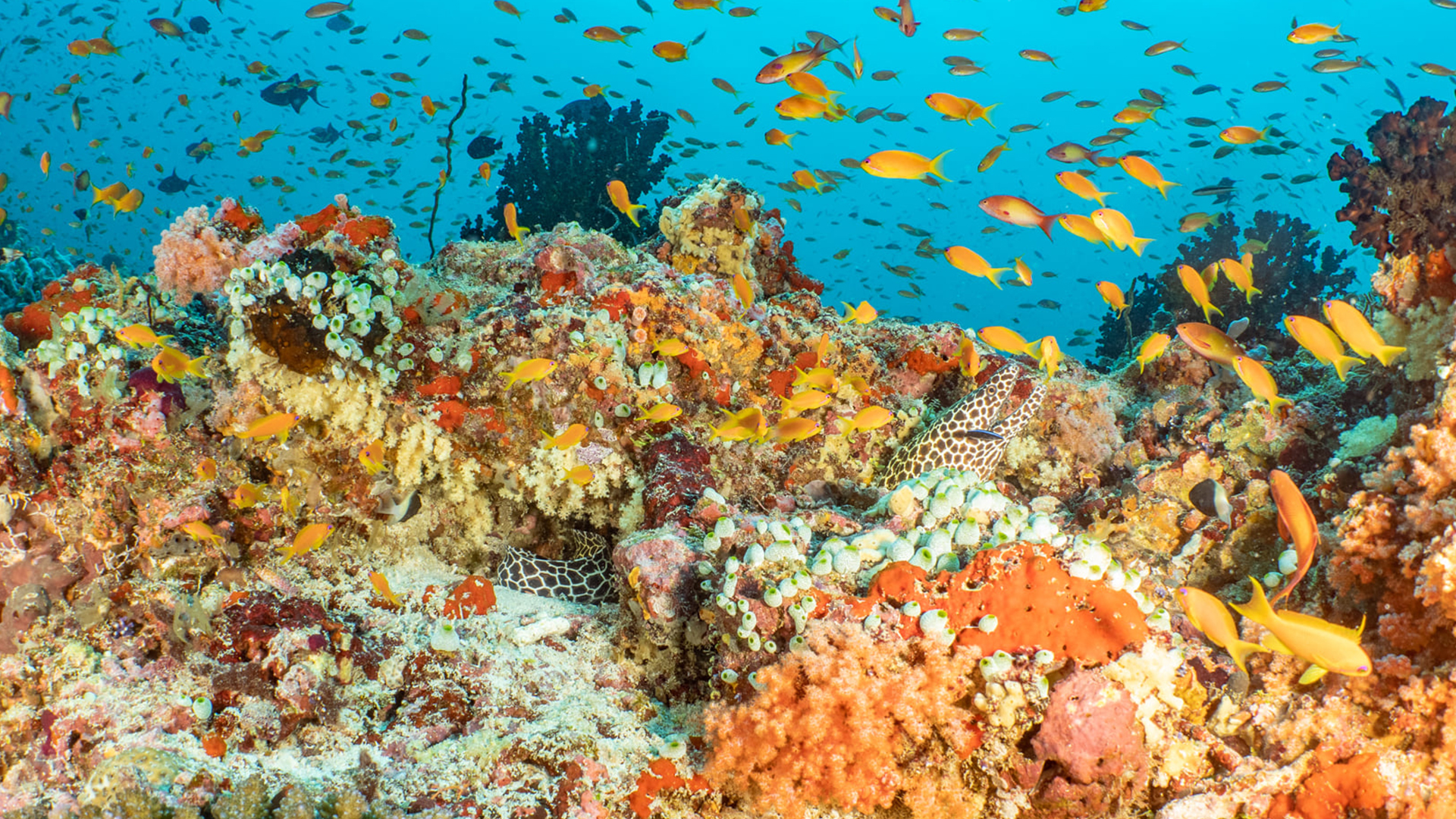
Wonderful moments such as swimming manta rays or whale sharks occur from the deck between dives and last seeing is helping. You can see more from the deck with polarized sunglasses as they lessen the glare.
They are not just for comfort; they often help divers notice wildlife before anyone else. They also reduce eye strain during long hours in bright tropical light.
Seasickness Can Affect Even Experienced Divers
Open-ocean crossings can be surprisingly choppy, even for seasoned travelers. We suggest bringing non-drowsy seasickness medication, such as ginger tablets or Dramamine. Taking precautions early helps ensure you do not miss dives due to preventable discomfort. Even mild seasickness can affect your energy levels over a full dive week.
Power and Storage: Plan for Cameras and Devices
Liveaboards are full of underwater photographers, and charging outlets are shared spaces. A reliable power bank and extra SD cards are extremely useful, especially if you use action cameras or shoot video. It keeps your gear ready without competing for limited sockets. This is particularly helpful on busy itineraries with short surface intervals.
A Dry Bag Makes Shore Visits Easier
Many Maldives itineraries include a local island visit or a sandbank barbecue. A 10–20L dry bag protects your phone, camera, and dry clothes during dinghy transfers. It is a simple addition that makes shore excursions more relaxed. It also keeps essentials safe from spray and unexpected splashes.
After-Dive Care Keeps You Comfortable All Week
Frequent dives combined with salt, wind, and sun can lead to irritated ears and dry skin. We recommend ear-drying drops to reduce the risk of swimmer’s ear, along with a strong moisturizer or coconut oil. Staying comfortable helps you stay focused on diving, not recovery. Small self-care items can make a noticeable difference by the end of the trip.
How We Help Divers Prepare at Dune Liveaboard
Over the years, we have seen that the best trips start before guests even step on board. That is why we guide divers through preparation for our Maldives liveaboard trips, based on real conditions — currents, repetitive diving, and remote locations.
When divers explore options through our liveaboard planning resources, we focus on matching experience level, equipment readiness, and trip expectations. This preparation is just as important as choosing the right itinerary across our Maldives destinations, and it helps ensure divers arrive confident and well-prepared.
Things Divers Often Ask Before Packing
Can I rent or replace forgotten gear easily?
On a Maldives liveaboard, replacement options are limited once we depart. While we carry some backup equipment, personal essentials and small spare parts are best brought with you.
Do I really need a wetsuit in warm water?
Yes, especially for repetitive dives. Even experienced tropical divers feel the cooling effect after several days without exposure protection.
Is there enough space to store all my gear?
Cabins are designed efficiently, but space is compact. Soft bags and minimal, practical clothing make onboard life much more comfortable.
Ready for a Smoother Maldives Liveaboard Experience?
The difference between a good dive trip and a great one often comes down to preparation. Packing with real diving conditions in mind helps you stay comfortable, safe, and fully focused on the underwater experience.
If you are planning your next Maldives liveaboard, we are always happy to help you think through gear, timing, and trip style based on your experience level.You can reach us directly on WhatsApp at http://wa.me/+628123858464 or email us at booking@dune-world.com to start planning with confidence.