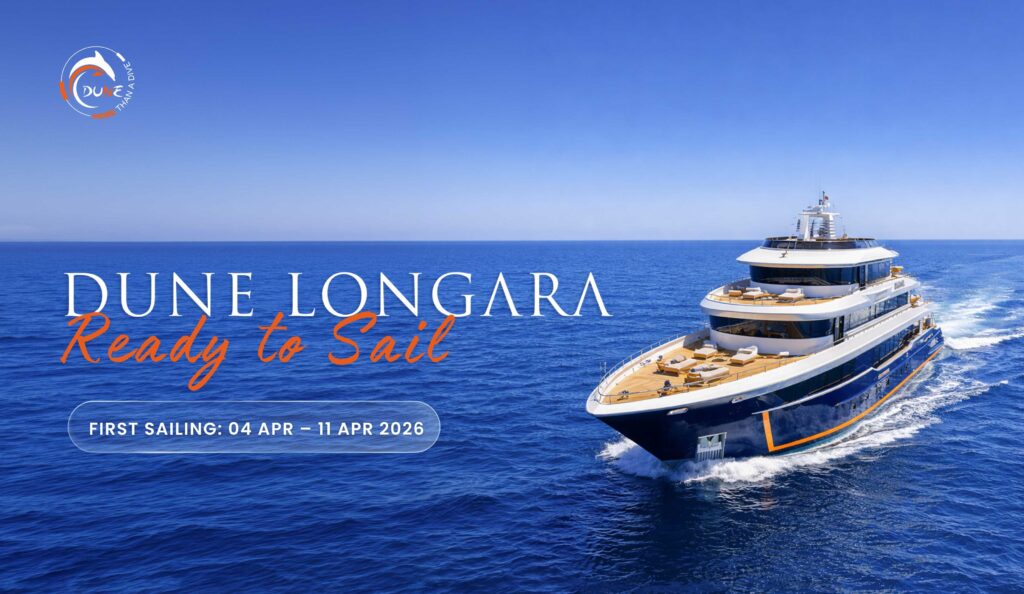
This article is written for divers who are no longer asking whether Raja Ampat Liveaboard is worth visiting, but are deciding how to experience it properly. If you’re comparing options and questioning whether a liveaboard is truly necessary, we want to share how we understand Raja Ampat after years of planning real dive journeys here at Dune Liveaboard.
Raja Ampat matters now because pressure is increasing across most of the world’s iconic dive regions. Many destinations have become easier to access—and as a result, easier to dilute. Raja Ampat Liveaboard Diving remains different. Its sheer scale, ongoing remoteness, and unmatched biodiversity still require thoughtful planning. From our experience, the way you approach this destination will directly shape what you see, how often you dive, and the kind of memories you take home.
Key Takeaways: Choosing Raja Ampat the Right Way
- Raja Ampat is too vast for land-based diving to show its full range
- A liveaboard allows access to both northern and southern regions in one journey
- Timing, routes, and logistics directly affect dive quality
- The right liveaboard turns complexity into flow, not friction
Why Raja Ampat Is Still the Ultimate Frontier
When we describe Raja Ampat as a frontier, we’re not using romantic language—we’re describing logistics. Located off the northwest tip of West Papua, Indonesia, Raja Ampat sits far from mass tourism corridors. This distance has preserved reef systems that function almost exactly as they did centuries ago.
The region spans more than 40,000 square kilometers and includes over 1,500 islands. Even the most well-positioned resorts are limited by daylight, fuel range, and weather. From our experience, this is why a Raja Ampat liveaboard is not a luxury choice—it’s a functional one.
The name itself comes from the “Four Kings”: Waigeo, Misool, Salawati, and Batanta. Each offers a distinct underwater personality—something no single land base can realistically cover.
The Amazon of the Seas: Biodiversity That Redefines “Best”
Raja Ampat sits at the heart of the Coral Triangle and consistently earns its reputation as the epicenter of marine biodiversity. Around 75% of the world’s known coral species live here, alongside more than 1,500 species of reef fish.
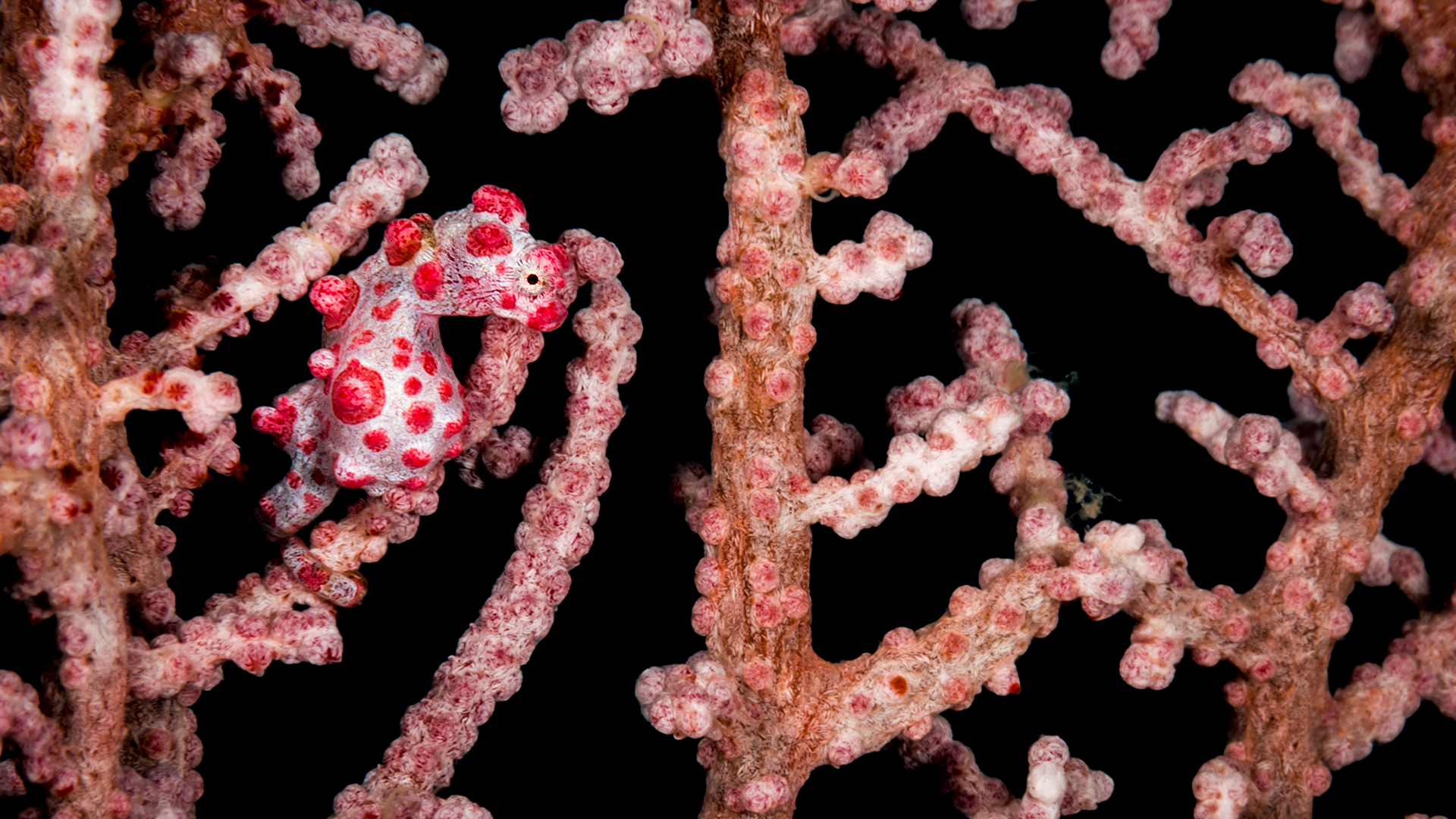
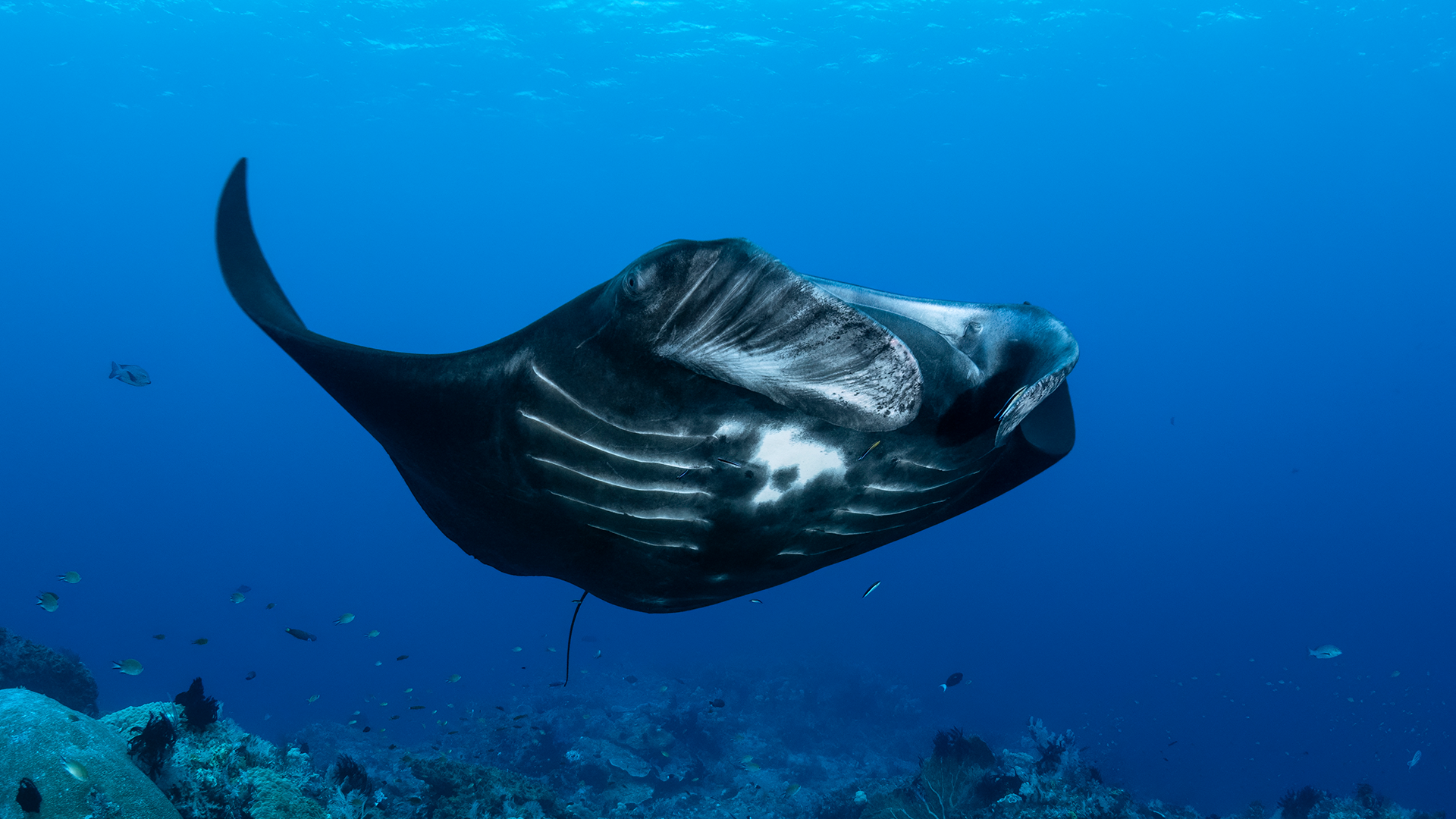
One often-cited example is Cape Kri, where scientists recorded over 370 fish species in a single dive. But numbers alone don’t explain the experience. What we see daily is density—life layered on life, from pygmy seahorses to schooling barracuda, manta rays, walking sharks, and wobbegongs.
For divers comparing “Best Scuba Diving in Raja Ampat” claims, this density is the real differentiator. It’s not about one highlight dive—it’s about consistency across every immersion.
Why a Liveaboard Changes the Experience Entirely

Accessing Misool Without Compromise
Southern Raja Ampat, especially Misool Raja Ampat Diving, is known for soft coral gardens that feel almost unreal. Getting there from shore-based accommodation often means long transits or limited dive windows. A liveaboard allows us to stay in this region for days, not hours.
More Dives, Better Timing
Because we sleep directly above the reefs, our days typically include three to four dives—sunrise, daytime explorations, and night dives—without the fatigue of daily speedboat commutes.
One Trip, Multiple Ecosystems
A well-planned itinerary lets us combine the big-animal action of Dampier Strait with the calm, color-saturated reefs of Misool. This north–south contrast is one of the strongest arguments for a Raja Ampat liveaboard.
Beyond Diving: Why Raja Ampat Feels Bigger Than the Water
Even between dives, Raja Ampat continues to deliver. Limestone karst formations rise from turquoise lagoons at Piaynemo and Wayag, landscapes that are often inaccessible without a vessel already operating far from Sorong.
On land, endemic species like the Red Bird of Paradise and Wilson’s Bird of Paradise still thrive. Cultural stories—such as the Legend of the Seven Eggs—are not museum pieces here; they remain part of living village traditions.
Practical Travel Considerations That Matter
From experience, October to April offers the calmest seas and the most consistent manta encounters. Most journeys begin with flights into Sorong, where liveaboard transfers simplify onward logistics.
Conservation is not optional here. Raja Ampat’s marine protected areas are strictly managed, and responsible operators align routes, schedules, and practices to support long-term preservation—not just short-term access.
How We Approach Raja Ampat at Dune Liveaboard
Over time, we’ve noticed that divers struggle most with over-ambition. Trying to see everything too fast often leads to exhaustion rather than fulfillment. Our role is to slow the journey just enough—choosing routes that balance variety with depth, and pacing days so the experience remains immersive, not overwhelming.
We design itineraries based on conditions, not fixed promises. When currents shift or wildlife patterns change, adaptability matters more than rigid schedules. That mindset shapes every Raja Ampat liveaboard journey we plan.
Region-Based Comparison: Misool vs. Dampier Strait vs. Four Kings Islands Papua
To help divers evaluate where the experience truly changes, we often compare Raja Ampat by region rather than by vessel or accommodation. Each area delivers a different outcome underwater—and understanding this distinction is key when choosing the best Raja Ampat liveaboard itinerary for your goals.
| Decision Lens | Misool | Dampier Strait | Four Kings Islands Papua |
| Defining Character | Soft-coral stronghold and conservation success story | High-energy currents and big-fish density | Ecological variety across four major islands |
| Signature Diving | Kaleidoscopic soft corals, dramatic walls, macro-rich reefs | Schooling fish, manta rays, pelagics, action-packed drifts | Mixed terrain: reefs, slopes, mangroves, and seamounts |
| Biodiversity Style | Color saturation and reef complexity | Biomass and movement | Broad species spread across contrasting habitats |
| Water Conditions | Generally calmer, clearer, slower-paced | Strong currents; timing and experience matter | Variable—conditions change by island and channel |
| Photographer Appeal | Ideal for wide-angle reef scenes and macro detail | Excellent for action shots and manta encounters | Flexible—supports both macro and wide-angle |
| Logistical Reality | Very remote; best accessed by liveaboard | Accessible but best optimized by mobile itineraries | Requires route planning to connect islands efficiently |
| Best Fit For | Divers seeking visual intensity and longer bottom times | Divers craving adrenaline and iconic encounters | Divers wanting a comprehensive Raja Ampat overview |
Questions Divers Ask Before Committing
Is a liveaboard suitable if this is my first time in Raja Ampat?
Yes—especially if you want a broad, well-curated introduction. We structure dive days to suit mixed experience levels while still accessing signature sites.
How flexible are itineraries once onboard?
Conditions guide decisions. While routes are planned, daily adjustments allow us to prioritize safety, visibility, and marine encounters.
Can different interests be balanced on one trip?
They can. Divers focused on macro, wide-angle, photography, or simply relaxed exploration usually find common ground when the itinerary is paced thoughtfully.
Closing Thoughts: Is a Raja Ampat Liveaboard the Right Choice for You?
If your goal is to understand why Raja Ampat Liveaboard is often described as the planet’s last great marine wilderness experience, then how you explore it matters as much as going there at all.
At Dune Liveaboard, we see the journey unfold through a simple, deliberate sequence:
- Choose your destination
- Pick your dates
- Select your cabin
- Get packing
From there, the ocean takes over. If you’re weighing options, take time to compare routes, regions, and pacing. When you’re ready, exploring Raja Ampat by liveaboard remains the most complete way to experience its scale, diversity, and quiet power.