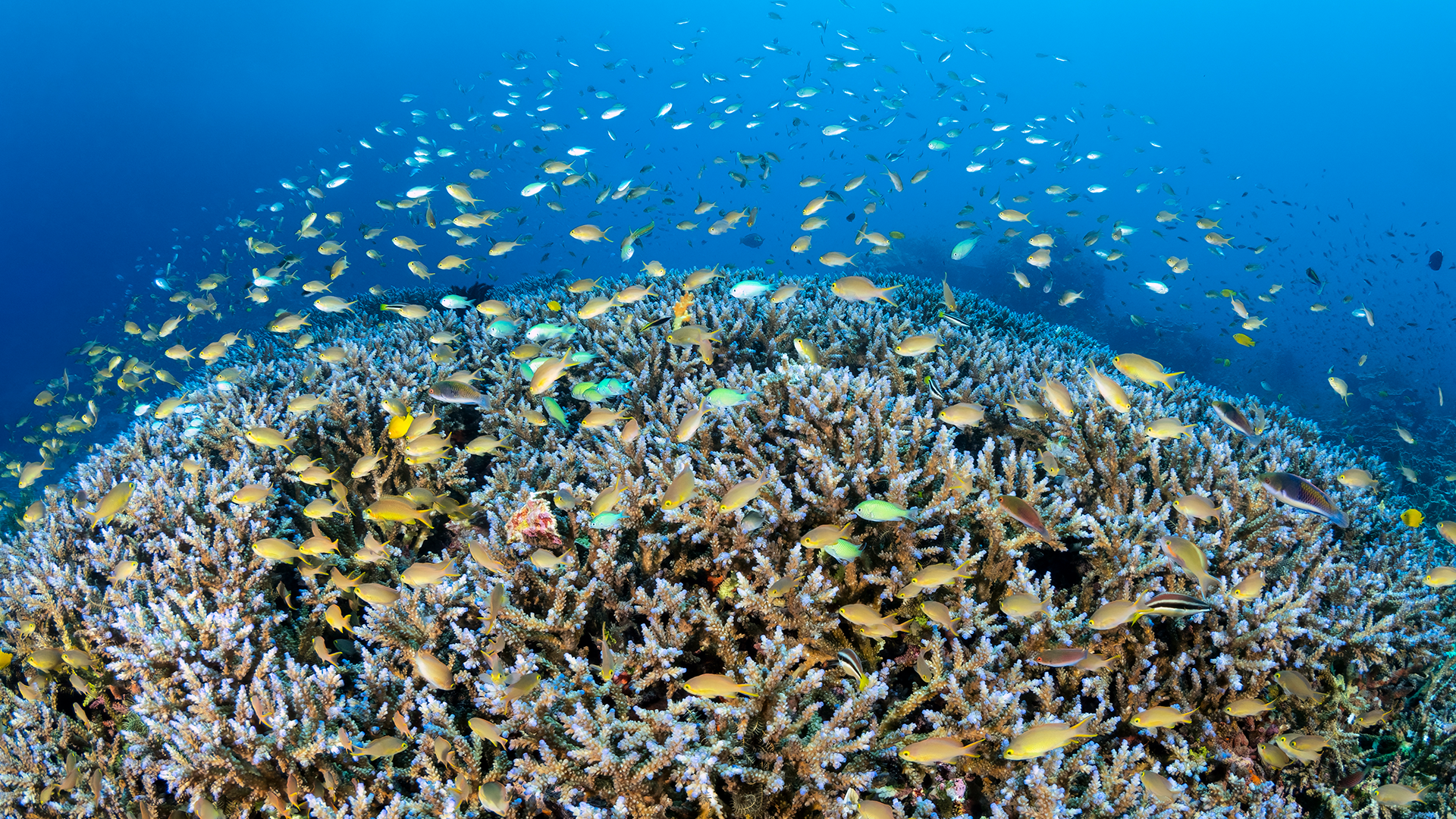
“Sustainability” is a hot topic in the field of marine tourism. But coral reefs are under more stress than ever from climate change and too many tourists, so just keeping things the way they are isn’t enough anymore. Regeneration, or leaving the ocean better than we found it, is the new gold standard.
In this change, liveaboards have a special operational role. Their effects, whether good or bad, are stronger because they work in remote, delicate environments for long periods of time. In places with a lot of biodiversity, like Raja Ampat and the Red Sea, regenerative techniques aren’t just “nice to have.” They are necessary for the survival of the habitats that divers travel thousands of miles to explore.
Here are some ways that forward-thinking liveaboards are changing from people who watch the sea to people who protect it: they follow zero-impact waste rules and provide money to local ranger patrols.
Getting Rid of Ocean Pollutants with Waste Practices that Don’t Hurt the Environment
The most immediate danger that a ship poses to the water is what it leaves behind. In the past, marine waste management generally meant throwing away “organic” garbage or rubbish in ports with bad infrastructure. These rules are being changed by regenerative liveaboards.
To stop pollution at the source, top operators are putting rigors rules in place that say there can’t be any plastic on board. This is more than just banning straws. It means getting rid of plastic packaging from supply chains whenever possible, replacing single-use plastic bottles with refill stations, and using bulk amenities for hygiene goods.
It’s just as important what goes down the drain as what goes in the trash. Requiring guests to use reef-safe, biodegradable sunscreen and hygiene makes sure that chemicals like oxybenzone don’t bleach the corals they just dove to view. Also, complete waste separation systems make sure that non-biodegradable material is kept on board and brought back to ports with verified recycling facilities, instead of risking open-air landfills on distant islands.
These tight waste rules make sure that the only thing we leave behind are bubbles, whether we’re exploring untouched areas on our Banda Sea liveaboard or navigating distant marine parks across other beautiful destinations.
Responsible Vessel Operations to Protect Fragile Habitats
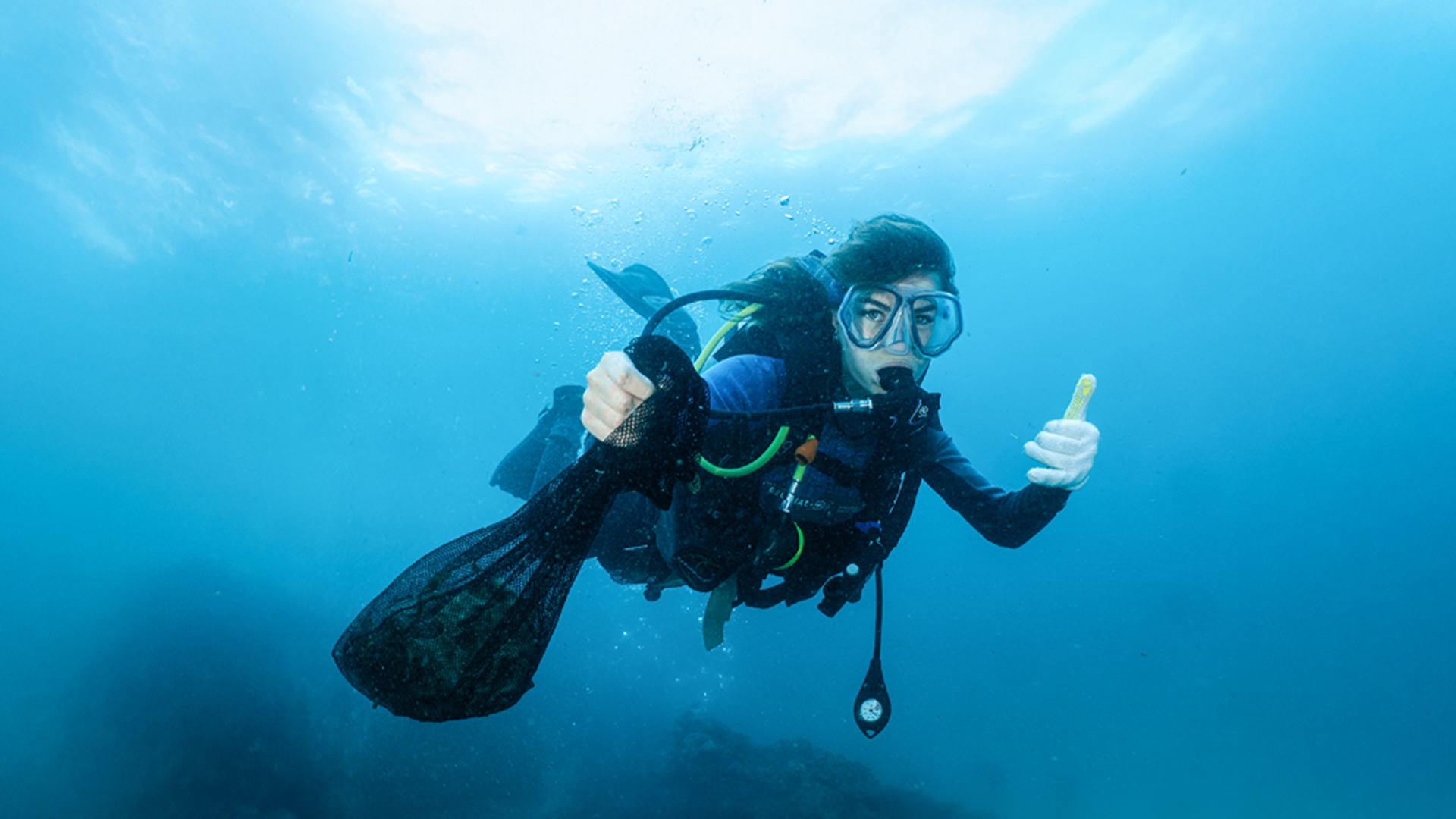
It takes skill and care to steer a huge steel ship through shallow coral lagoons. Anchoring on a reef can kill coral that has been growing for hundreds of years in just a few seconds. So, how do people who live on boats not hurt reefs and animals?
Discipline and technology hold the answer. Regenerative vessels use mooring-only anchoring systems. When there are no fixed moorings, captains employ dynamic positioning or drift protocols to keep the engines operating safely away from the reef structure. This makes sure that the hull never touches the bottom.
The ship’s carbon impact is also a big problem, in addition to physical interaction. Using route optimisation software can help you use less gasoline, and keeping your engine in good shape can help reduce noise pollution, which is very important for cetaceans and other marine species who rely on sound to communicate.
Another important part of running a business responsibly is sustainable sourcing. To keep the local fish populations from running out, many ships now have a stringent No-Seafood Policy or only buy from certified sustainable local sources. These things are really important in delicate places like the Maldives, where our Maldives liveaboard guests can see some of the richest pelagic life on Earth.
Investing into Local Communities and Improving Knowledge About Conservation
Real regeneration helps everyone, not just the oceans. If the surrounding communities don’t profit from the marine park’s protection, it won’t be able to endure. Liveaboards are responsible for making sure that the money tourists spend goes directly to conservation and community welfare.
This is done by charging direct conservation fees that pay for park authorities and ranger patrols. For example, entry fees in Raja Ampat go straight to keeping an eye on no-take zones. In addition to fees, regenerative operators put a lot of effort into employing and training local people for high-skilled marine jobs. This makes the local economy value live corals more than dead fish.
The last piece of the jigsaw is education. Guests can help solve the problem by taking part in onboard citizen science activities. Divers help scientists keep track of the condition of reefs by collecting data through species identification logs and reef surveys. This is comparable to what we do in the Red Sea, where Red Sea Liveaboard Diving still helps both coral regeneration and local diving communities.
The Future Standard for Liveaboards: Operational Regeneration
It is important to know the difference between regeneration and sustainability. Sustainability tries to do the least amount of damage possible, which is called “nett zero” impact. Regeneration goes much further by actively recovering ecosystems and having a “nett positive” effect.
The regenerative paradigm is the only way to go in places like the Banda Sea, Maldives, and Egypt, where coral bleaching and illicit fishing are always a concern. Operators need to see their ships as more than just hotels; they also need to see them as research stations and conservation centres.
Liveaboards can do beneficial things by actively replanting coral, getting rid of exotic species like the Crown-of-Thorns starfish, and paying for anti-poaching patrols. Our work in Egypt Liveaboard Diving shows how regeneration fits with local conservation goals to protect the Red Sea for future generations.
Why Regenerative Liveaboards Are Important
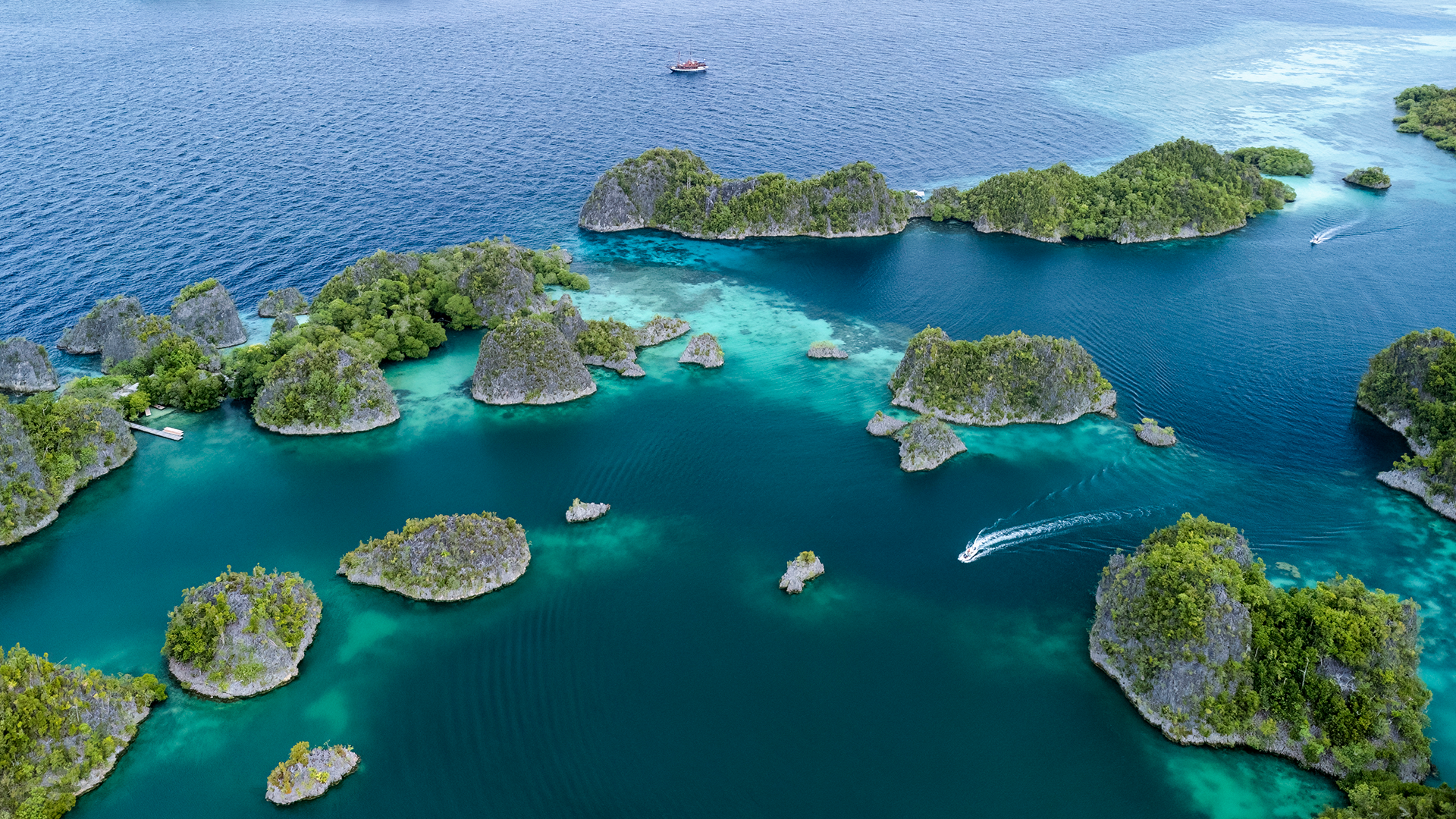
Nowhere is the need for regeneration more apparent than in the world’s most remote and pristine marine environments. Located in biodiversity hotspots, these regions can hold the record for the highest marine biodiversity on Earth—they are the Amazons of the ocean. Because these locations are so remote, liveaboards are often the only eyes and ears on the water, serving as a deterrent to illegal fishing vessels simply by being present.
A regenerative operator does more than just show guests the sights; they adhere to strict codes of conduct for interactions with marine megafauna like manta rays and whales, ensuring these animals remain wild and unstressed. Choosing a responsible liveaboard means voting with your wallet for the protection of the world’s most valuable marine assets. It sets a global standard, proving that tourism can save, rather than spoil, our last wild places.
Frequently Asked Questions About Regenerative Liveaboards
1. How do responsible liveaboards avoid damaging coral reefs and marine habitats?
They rely on mooring-only anchoring, dynamic positioning, and precise drift protocols to prevent anchors from touching the reef. Captains also use fuel-efficient routes and well-maintained engines to reduce noise pollution, which protects dolphins, whales, and other species that communicate using sound.
2. How do liveaboards support local communities in places like Raja Ampat, the Maldives, and the Red Sea?
Regenerative operators reinvest tourism money into conservation and local welfare. This typically includes conservation fees for marine parks, salaries for local crew, specialised training programs for young community members, and partnerships with ranger patrols to protect no-take zones. Some vessels also buy only from sustainable local suppliers or adopt a strict No-Seafood Policy.
3. How can divers contribute to conservation during a regenerative liveaboard trip?
Divers can participate in citizen science programs such as species logging, reef surveys, and photo ID matching for manta rays or sharks. Following wildlife interaction guidelines, using reef-safe products, and supporting operators with verifiable conservation programs all help create real, measurable impact during each trip.
Explore the World’s Best Regenerative Diving Destinations
It matters who you dive with. By choosing operators who care about regeneration, you are helping to protect the ocean.
Visit our website at Dune Liveaboard to find out about other amazing places to go and traditional Phinisi sailing trips. Check out our carefully planned trips to places like the Raja Ampat reefs, the Banda Sea’s deep blue seas, the Maldives’ waters full of megafauna, and the Red Sea and Egypt’s coral ecosystems that have been there for a long time. Start making plans on your next important liveaboard trip right away.