Diving in the Red Sea involves staying in a liveaboard. Then you need to determine the best liveaboard experience. Being familiar with the routes, seasons, and marine encounters will make your experience more worthwhile. This article provides information needed to deal with the most common questions concerning preparing and being on the trip to the Red Sea.
Key Takeaways for Planning Red Sea Liveaboard Diving
- Choosing the right itinerary matters — Northern routes suit wreck lovers and beginners, while central and southern routes are best for experienced divers seeking pelagics.
- Liveaboard diving unlocks remote sites that day boats cannot reach, offering better dive timing, flexibility, and access to marine parks.
- Seasonal timing increases wildlife encounters, especially for hammerheads and oceanic whitetips in offshore reefs.
- Extended North & South routes provide the most complete experience, combining iconic wrecks with remote shark habitats in one journey.
- Well-planned Red Sea liveaboard diving is about balance — safety, comfort, and dive variety all shape a truly exceptional expedition.
What Makes Red Sea Liveaboard Diving the Best Way to Explore Egypt’s Reefs?
When compared to liveaboard diving, which allows for the exploration of fiercely sought-after destinations such remote marine parks, dramatic offshore reefs, and coveted wreck sites, it doesn’t even resemble ‘diving.’ Embarking on a Red Sea liveaboard diving allows us and the crew to maximize safety underwater and upwards with perfect sea conditions by having the flexibility to change dive sites and start at the crack of dawn on a 7+ day trip. Especially with no other boats in sight for the entire duration of the trip, there is an unparalleled variety of diving to be conducted, and Egypt is a go-to destination for those looking for a variety of diving systems.
Which Itinerary is Best for Your Red Sea Liveaboard Trip?
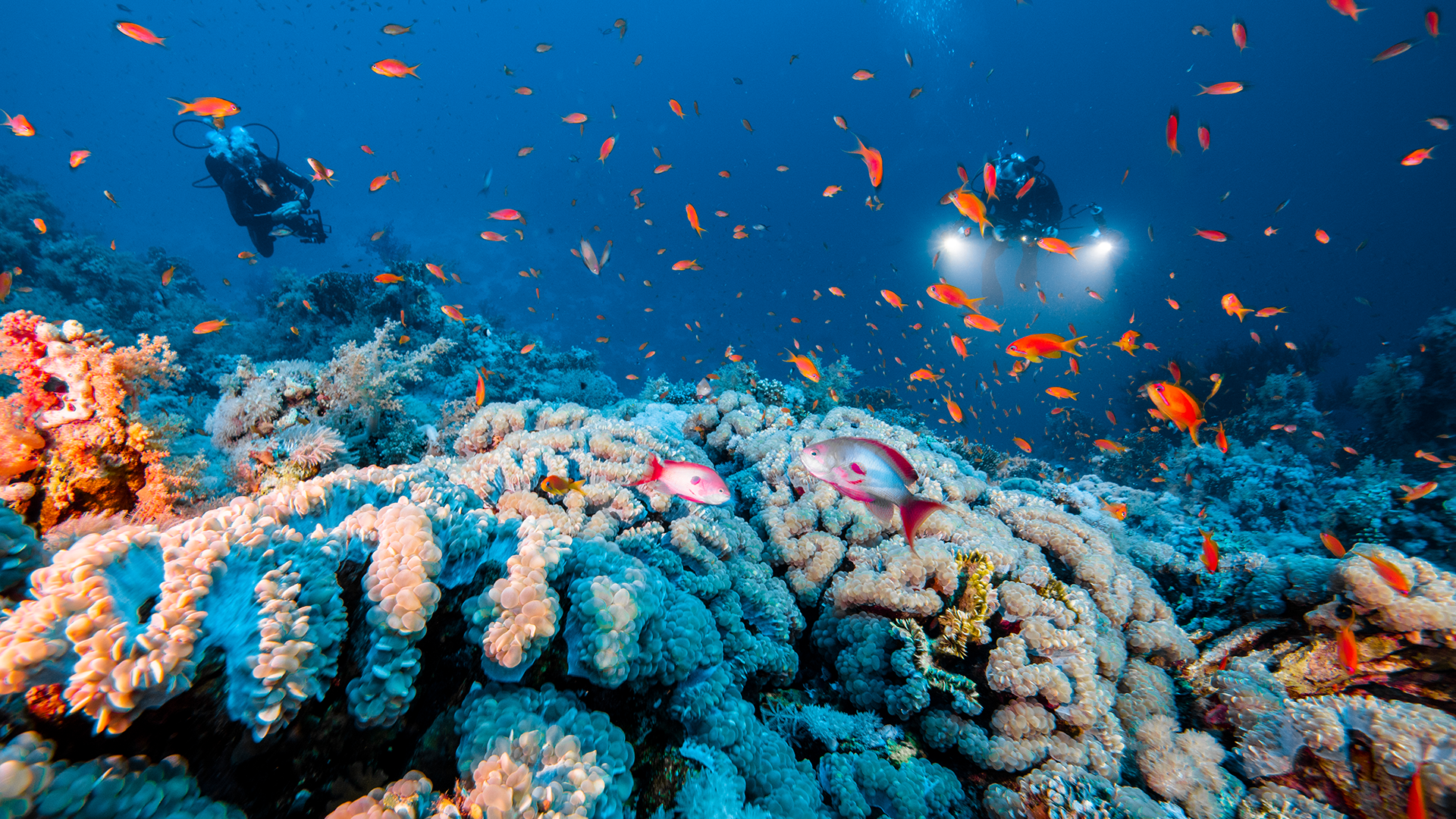
For newbies to the sport, the northern reefs and wrecks is the perfect itinerary.
For those looking for more than just wrecks, and who have more experience, the central marine parks offer exhilarating diving with the potential of meeting large pelagics like hammerhead sharks and other big fish.
The southern reefs is the best option for those looking for untouched marine parks with healthy corals, and dive sites with planned swim-throughs. Overall, liveaboard diving in the red sea is an experience like no other in the diving industry.
Is It Possible for One Liveaboard Route Cover the Best of the Red Sea?
Yes. Itineraries of the Red Sea Liveaboard Diving offer a balanced combination of North and South routes for a vintage imprinted Red Sea Diving experience over the course of 7 to 10 nights. These extended voyages enable divers to visit unique historical wrecks and remote Marine parks.
When Is the Best Time for Shark Encounters to the Red Sea?
Shark sightings mainly depend on when and where someone is. Daedalus Reef is where shools of hammerheads are usually found in the fall. As for the Brothers and Elphinstone reefs, the ocenaic whitetips are more prevalent from October to early Winter. Mesmerizing pelagics are more likely to be encountered if a trip is around the above times.
Ready to Experience One of the Best the Red Sea Has to Offer?
Thoughtful planning is a key component of transforming an average dive trip into an experience of an exceptional lifetime. Correct onboard rhythm, seasonal timing and ultimately, the right liveaboard itinerary are the main elements that make divers holidays in the Red Sea, an immersive, once in a lifetime Journey. At Dune Liveaboard, the balance of comfort, safety and world class diving craftsmanship is what every expedition is designed for, leaving you to make Great, Unforgettable and Seamless moments below the surface from a lifetime of diving.