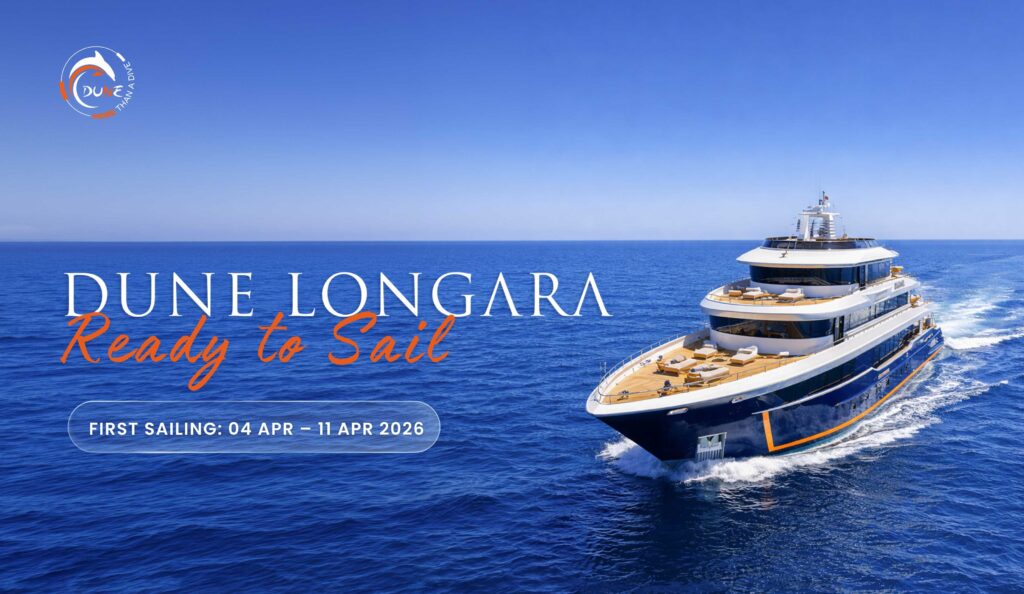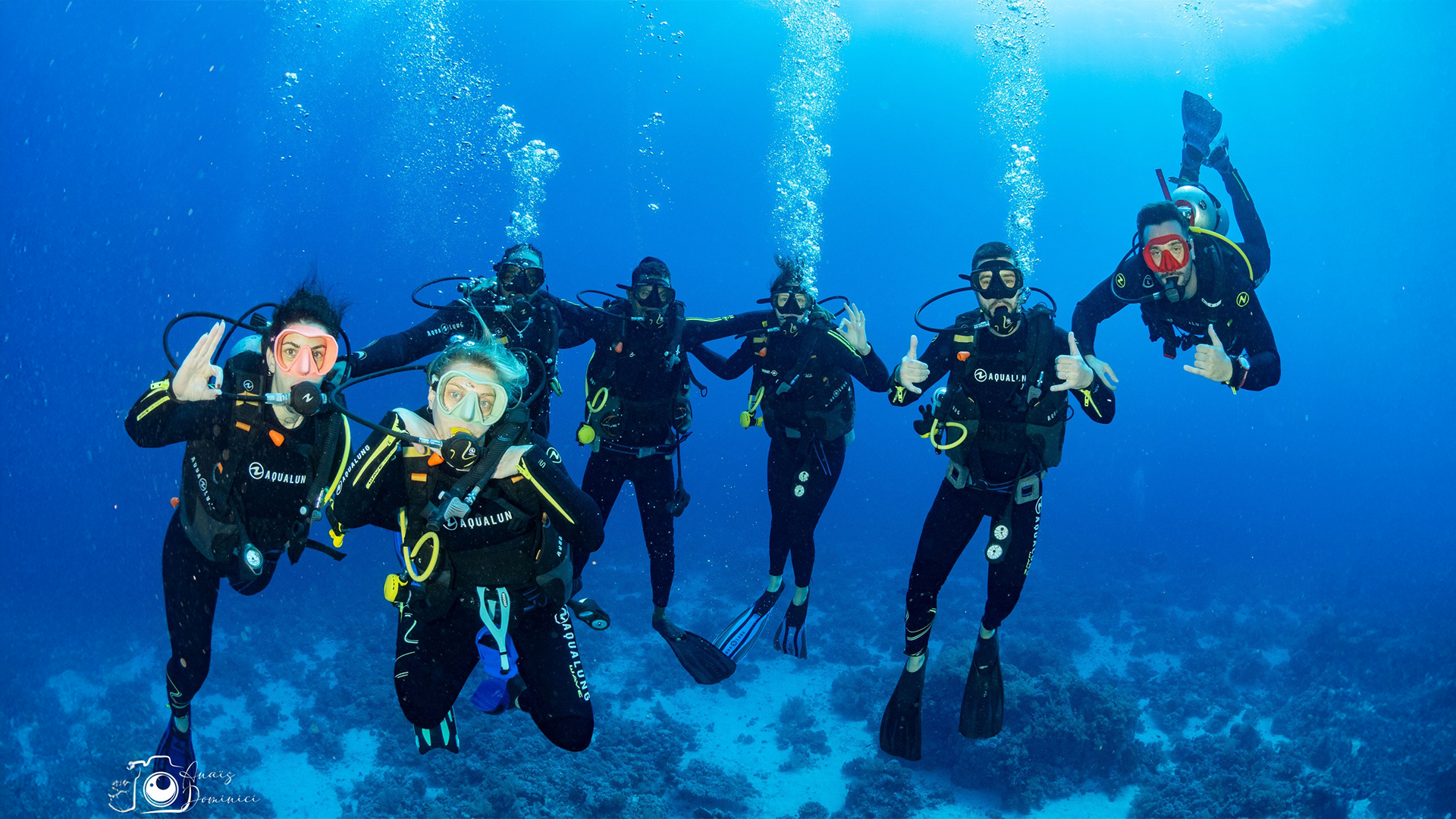
Regenerative tourism is more than just being good for the environment; it also helps local ecosystems and communities. In the Red Sea, liveaboards are the finest at safeguarding the ecosystem, training tourists, and conducting operations that don’t affect the ecology. People who stay on a liveaboard help safeguard and restore one of the most important marine habitats in the world. This indicates that tourism can be a powerful force for good.
Why is the Red Sea the best place in the world for regenerative marine tourism?
The Red Sea’s unique marine environment, with its incredible biodiversity, endemic species, and resilient “super corals” adapted to higher sea temperatures, is ideal for regenerative tourism. Liveaboards provide a low-impact way to explore these fragile ecosystems, accessing remote dive sites with minimal disturbance. This approach prioritizes marine health over high-volume tourism, fostering appreciation for the Red Sea’s treasures while aiding their preservation.
Super Coral Resilience and Teaching Guests on Board
Education is a key part of regenerative tourism. Red Sea liveaboards give guests the tools they need to become advocates for marine conservation by combining scientific discovery with hands-on learning. This method makes a diving vacation a meaningful way to save the future of our oceans.
Learning about the Red Sea’s “Super Corals” that can handle heat
The Red Sea is a natural place to explore how well coral can survive. Its “super corals” have adapted to live in water that would bleach other corals in other regions of the planet. Because of this, they are very crucial for figuring out how corals would be able to live in a warmer world. Scientists go to the Red Sea to examine these unusual organisms in the hopes of finding out how they can survive in high temperatures. Guests learn why these corals are so special and how important it is to protect them for the health of reefs around the world.
How We Teach While We’re Onboard
Our liveaboards let you “learn while you dive.” Workshops offered by marine biologists let participants learn more about the complicated ecosystems they are visiting. Divers learn to spot important species, understand how coral behaves, and spot signals of reef health through photo-based reef health monitoring and interactive presentations. This part of the lesson turns every dive into a chance to learn and connect.
Citizen Science Projects for Divers
Anyone who dives can be a scientist! We get our guests involved in citizen science activities that don’t hurt the environment and help marine research. For example, they learn how to take pictures of corals and marine life to identify them, identify coral species to learn more about the composition of reefs, and send the data they collect to global scientific databases to help monitor marine health.
How Liveaboards Help Restore Coral in the Red Sea
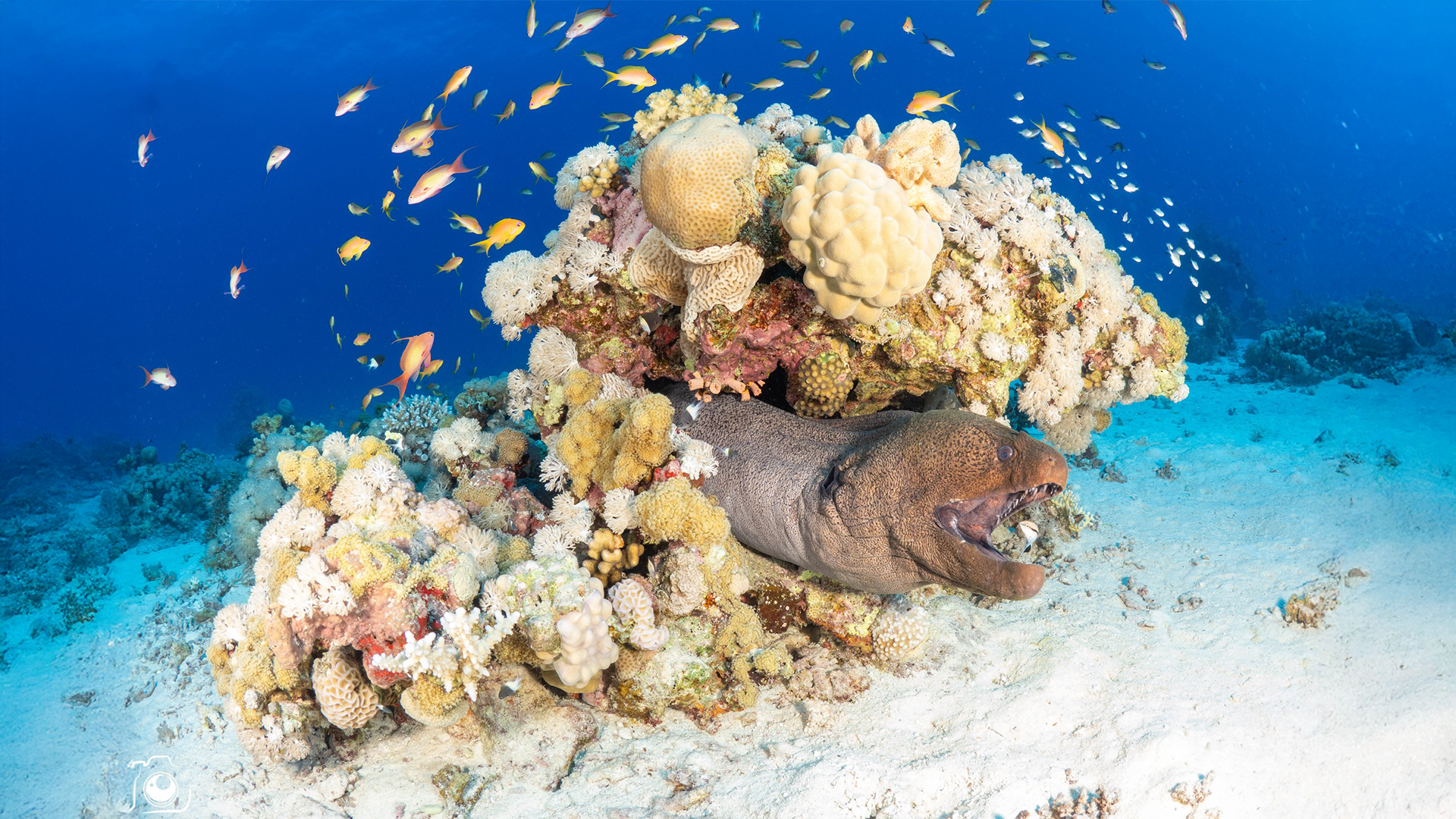
In addition to teaching, liveaboards in the Red Sea often do conservation work on the ground. We work with both local and international groups to provide divers the chance to help with coral restoration projects directly. This makes sure that the money tourists spend has a real, good effect.
Working together with Marine Researchers and Red Sea Global Initiatives
We work with top marine researchers and back big projects like Red Sea Global. These agreements let us help with important conservation projects like coral gardening and nursery support programmes. Our boats provide an important way for scientists to get to isolated research areas, and our guests often have the chance to hear from these specialists in person. Optional itineraries focused on conservation are also available.
Optional Conservation-Focused Itineraries
We have unique conservation-focused trips for qualified and experienced divers. Guests on these visits don’t just watch; they also do hands-on restoration work with professional supervision. Cleaning coral nurseries or putting coral fragments back on deteriorated reefs are two examples of tasks that might be done. These things are done in a safe and moral way that helps the reef ecology.
Direct Conservation Fees That Really Help
We believe in contributions that are clear and have an effect. A part of the money for each trip goes directly to conservation activities, such as:
- Carbon Offset Contributions: To reduce our operational impact.
- Funding for Reef Restoration: directly helping coral nurseries and efforts to restore reefs.
- Local Community Development: Making sure that tourism helps local communities.
Smart Plans Made for Endemism, Protection, and Low Impact
We carefully plan our trips to show off the Red Sea’s unique biodiversity while leaving as little of an impact on the ecosystem as possible. We put a lot of emphasis on low-impact exploration, with small groups and stringent rules for protecting the untouched areas we explore.
Diving Routes That Show Off the Red Sea’s Unique Animals
We tailor our dive itineraries to make sure you see as many of the Red Sea’s unique species and invertebrates as possible. Before each dive, you will get an ecological briefing that explains the species you are likely to observe and how they fit into the ecosystem. This method makes the dive better and helps people appreciate the area’s distinctive marine life even more.
Eco-Friendly Trips to Untouched Places
We transport small parties to the most beautiful and faraway places in the Red Sea, like St. John’s, Rocky, and Zabargad in the Deep South. To protect these delicate ecosystems, strict rules for conservation are in place. Liveaboards are in a unique position to protect these inaccessible places because they can manage who can get to them and make sure that everyone is acting properly, which is more harder for land-based tourists.
Swim with whales and dolphins in an ethical way
We follow strong moral rules when we contact with marine mammals at places like Sataya Reef, which is noted for its resident spinner dolphins. Our guidelines put the animals’ well-being first, with stringent limits on how close people can get and how long they can engage with them. This makes sure that our interactions are natural and don’t bother anyone. This way, tourists can see these amazing animals in their natural habitat without getting stressed.
Environmental Regulations & Advanced Technology in Red Sea Liveaboards
The best liveaboard companies in the Red Sea are dedicated to following the strictest rules for the environment. We are always lowering our impact on the environment and creating new standards for the industry by using cutting-edge technology and following tight rules.
Meeting the Standards Set by the Saudi Red Sea Authority and Red Sea Global
We follow the strict rules set by the Saudi Red Sea Authority and Red Sea Global, which include a zero-waste discharge policy and protocols for all ships to handle marine garbage. These steps not only reduce our influence on the environment, but they also help keep the Red Sea healthy.
We also use cutting-edge technologies to help us protect the environment. AI-powered coral monitoring helps us look at reef health data that guests and crew have gathered, and real-time environmental tracking helps us make better judgements about where to go next. We also plan routes that reduce noise and use gradual steaming to use less fuel and make less noise.
Benefits for society and the economy that last
We are also dedicated to helping the communities around us grow. We put a lot of emphasis on hiring people from the area and giving them training and career prospects. We also encourage cultural interchange between our guests and the people who live here, and we aim to create supply chains that support local companies in a way that lasts.
A Global Look at Where Regenerative Travel Is Going Next
The Red Sea is raising the bar for marine tourism, but the ideas behind regenerative travel can be used anywhere in the world. Dune is a global company, and we are dedicated to using these methods at all of our locations.
Red Sea as a Model for Future Liveaboard Travel That Is Good for the Environment
The Red Sea is a great example of what liveaboard tourism could be like in the future. It shows that regeneration is a bigger and more important goal than just sustainability. By working to make ecosystems better, we can make sure that future generations can still enjoy the ocean’s beauties. A big part of this is how divers act, and by teaching our guests, we are helping to create a diving culture that is more responsible.
Dune’s Global Regenerative Footprint
We are committed to regenerative travel all over the world. We use what we learnt in the Red Sea in all of our work to make sure we are a good force for conservation no matter where we travel.
- Check out our Banda Sea liveaboard trips if you’re looking for distant places with a exotic and rich biodiversity.
- If you search for some diving trips that focus on conservation, go check out our Egypt liveaboard and Red Sea liveaboard.
- Last but not least, Check out our Maldives liveaboard alternatives for trips full of mantas.
FAQs — Regenerative Tourism & Red Sea Liveaboards
Do I need to be an advanced diver for conservation trips?
Not at all. The Red Sea’s clear, warm waters are suitable for all levels, including snorkelers. While beginners can participate in educational and citizen-science activities, hands-on restoration work is reserved for certified divers to ensure safety and protect the reefs.
How does Dune ensure ethical marine mammal interactions?
We follow strict guidelines: keeping safe distances, limiting interaction times, and avoiding actions that disturb animals. Their welfare is our priority.
Are there any special liveaboard deals?
Yes! Enjoy seasonal offers like New Year specials, Christmas discounts, and early booking deals for the Red Sea, Maldives, Egypt, and Indonesia. Visit our Specials page for current promotions.
Plan Your Regenerative Red Sea Journey
Ready to experience the next evolution of ocean travel? At Dune Liveaboard, we operate globally across the Maldives, Egypt, Indonesia, and the Red Sea—offering world-class vessels, authentic Phinisi sailing options, and conservation-focused itineraries.Start planning your regenerative Red Sea adventure with us here Dune Liveaboard right now!