Exploring the pristine reefs of the Red Sea on a liveaboard is a bucket-list experience. However, the remote nature of sites like the Brothers Island, Daedalus, or Saint John’s means that help can be hours or even days away. Safety on these vessels is not just about following rules; it is about developing a maritime mindset and how to survive if any unexpected accident happens. This manual serves as a comprehensive guide to the emergency protocols and safety standards essential for every Red Sea diver.
1. Pre-Departure & Vessel Orientation
Safety begins before the boat leaves the marina. Here’s some things that you may need to know:
- The Go-Bag: Keep a small dry bag next to your bed containing your passport, phone, daily medications, and a small torch. In a night emergency, you may have only seconds to exit your cabin.
- Emergency Exit Walkthrough: Do not just look at the map. Physically walk the route from your cabin to the muster station. Test the emergency hatches; some may be heavy or require specific latch releases.
- The “Two-Way” Rule: Ensure your cabin has at least two ways out. If one is a porthole, verify it is large enough for you to squeeze through.
- Ensure that the crew conducts an evacuation drill at the start of the cruise to verify that everyone knows their assigned position and that the emergency exits are clear.
2. Onboard Fire Protocols
Fire is the #1 risk on liveaboard due to complex electrical systems and high-density charging.
- Charging Safety: Never charge lithium-ion batteries (cameras, torches, phones) unattended or overnight in cabins. Use the designated charging stations in the salon, which are typically monitored by crew.
- Smoke Detectors: If you don’t hear a test alarm during the briefing, ask for one. Ensure a detector is present in your cabin and the battery is functional.
- Fire Extinguishers: Locate the extinguisher nearest your cabin and the dive deck. Note the type (CO2 for electrical, Powder for general).
3. Diving Emergency Procedures
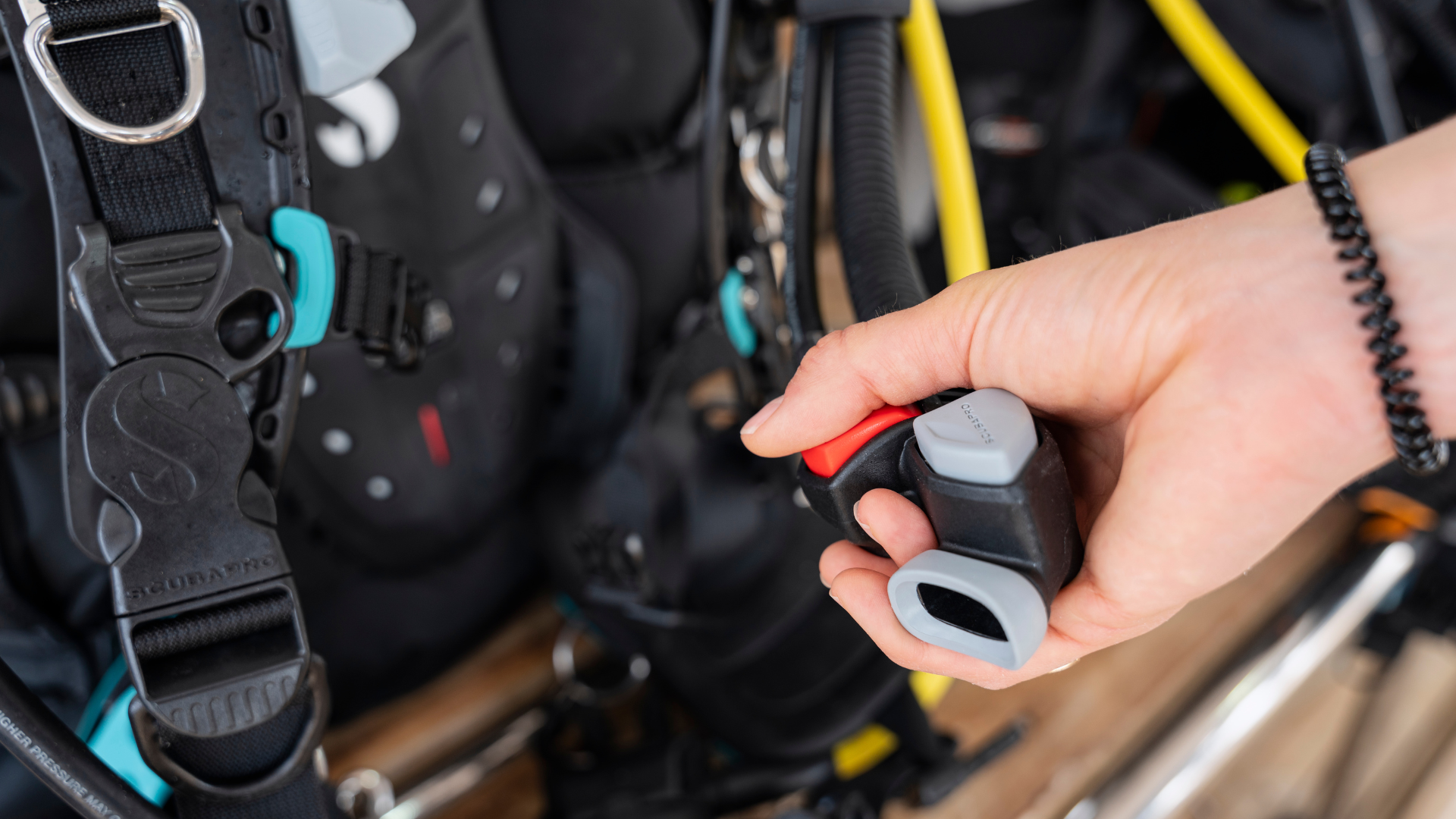
The Red Sea is known for strong, unpredictable currents. Separation is a real possibility. Onboard safety procedures include mandatory briefings, clear accessible emergency equipment, and defined emergency response protocols. Dive operations are supported by highly trained crew and dive professionals, qualified in first aid, oxygen administration, and emergency diver recovery, ensuring consistent safety standards across all voyages.
Lost Diver Protocol
If you lose sight of your buddy or the group:
- Search for 1 minute: Look 360 degrees and toward the surface for bubbles.
- Ascend Safely: If no contact is made, perform a controlled ascent.
- Deploy SMB: Deploy your Surface Marker Buoy (SMB) before reaching the surface to alert the boat and zodiacs of your position.
- Signal for Help: On the surface, use your whistle or mirror. If using a nautilus lifeline or electronic GPS, activate it immediately if the boat is not in sight.
Medical & Decompression Support
Knowing where the emergency oxygen and Automated External Defibrillator (AED) are on the boat can save lives in serious emergencies. Using Nitrox for diving is recommended on Red Sea Liveaboard Diving dives, as it reduces the risk of decompression sickness on repeated or deep dives. On southern routes like St. Johns or Rocky Island, it can take 8–12 hours by boat to reach a medical facility with a decompression chamber. Make sure your insurance covers emergency evacuation from the liveaboard.
4. Maritime Safety & “Abandon Ship”
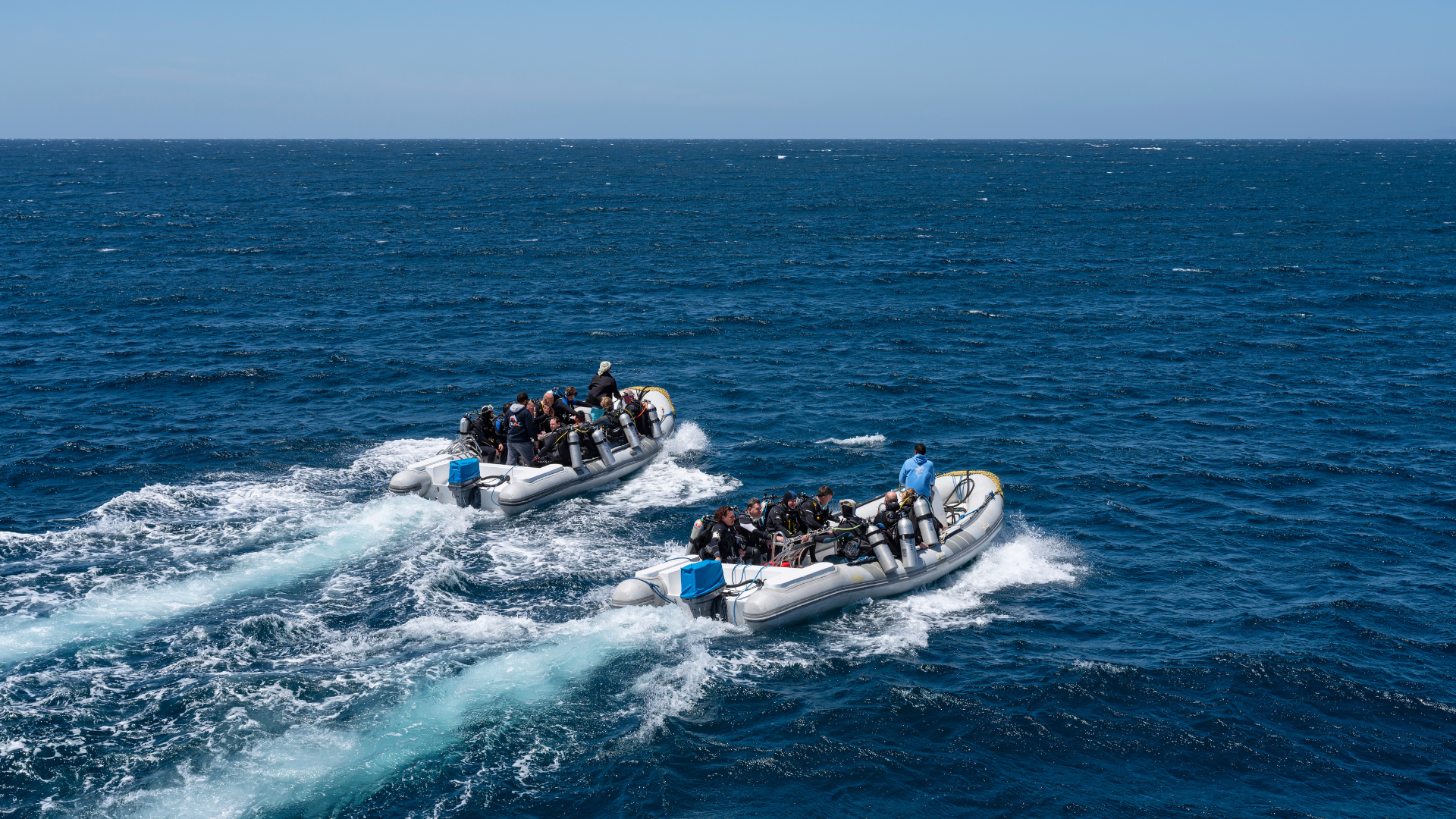
In the rare event of a vessel grounding or sinking:
- Life Jackets: These are usually stored in your cabin or under salon seating. Ensure yours has a whistle and a light.
- Muster Station: This is typically the dive deck or the sun deck.
- Life Rafts: Look for the hydrostatic release unit (HRU). This allows the raft to float free and inflate automatically if the ship sinks.
5. Environmental & Legal Regulations
Diving in Egypt is strictly regulated to ensure both diver safety and reef preservation. To access offshore Marine Parks such as the Brothers, Daedalus, Rocky, and Zabargad divers are legally required to have a minimum of 50 logged dives. Across all sites, the maximum depth is strictly capped at 40 meters, and night diving is prohibited within the Marine Park boundaries. Regarding equipment, every diver is mandated to carry a personal dive computer and a Surface Marker Buoy (SMB). To protect the fragile ecosystem, the use of gloves is forbidden, and there is a zero-tolerance policy for touching coral or feeding marine life.
Safety Standards at Dune Red Sea
Dune Red Sea Liveaboard Diving operates its fleet; Dune Titan, Dune Silky, and Dune Longara, in full compliance with Egyptian maritime and recreational diving regulations. All vessels hold the required certifications and licenses for liveaboard dive operations, with safety maintained through daily operational and safety checklists covering engines, compressors, electrical systems, and dive-support equipment. In accordance with regulatory requirements, each vessel is reviewed through comprehensive annual inspections.