The incident in Maldives this year was a terrible infliction. What is the safe depth for recreational diving? What is gas narcosis? Get to know these terms in detail in order to understand the depth of the safety precautions.
Recreational Diving: How Deep Is Safe?
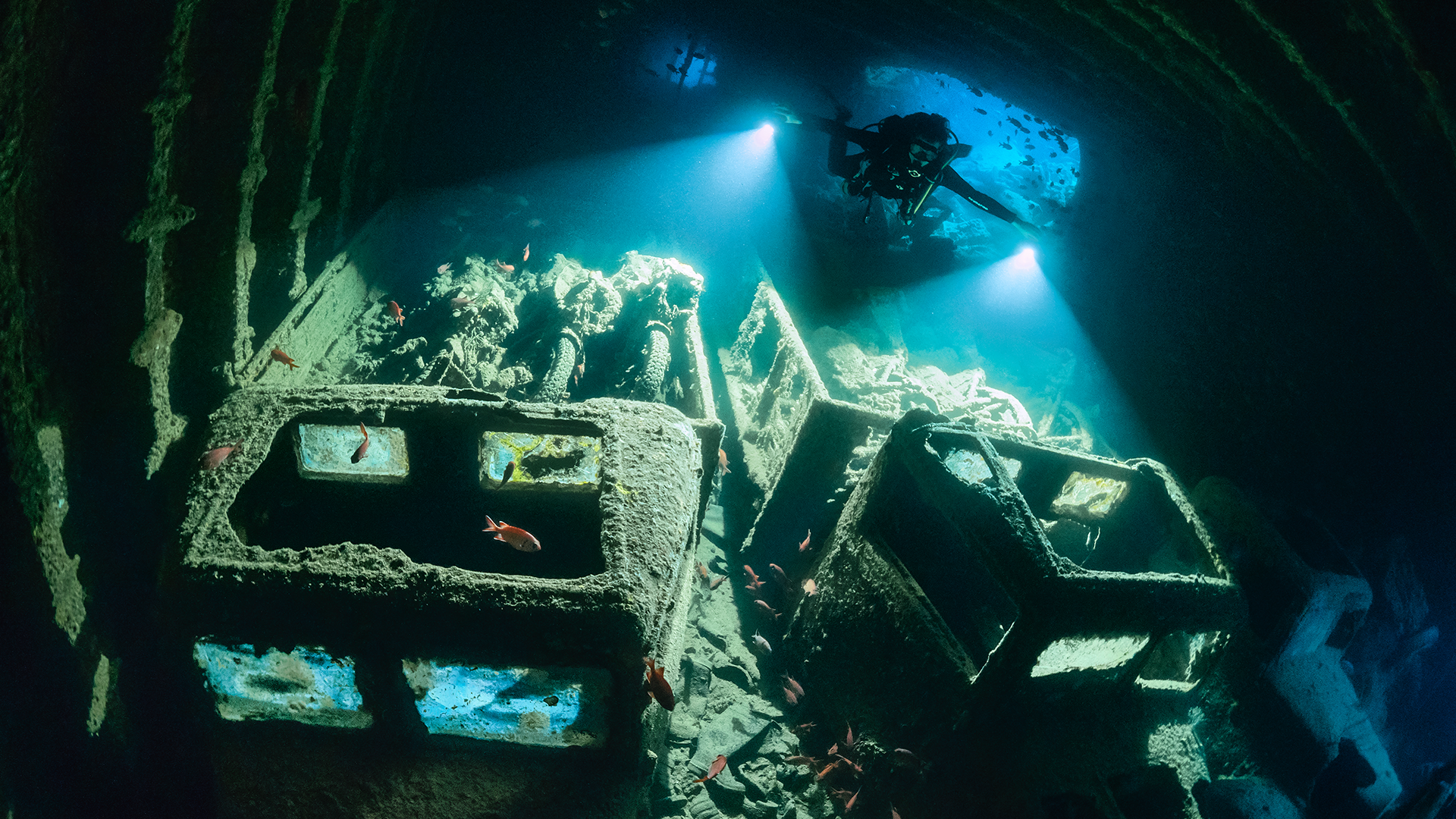
Recreational scuba diving has strict depth limits to keep divers safe and ensure they can swim directly back to the surface without needing emergency medical pauses (decompression stops) along the way.
Based on PADI, the absolute maximum depth allowed for recreational diving is 40 meters (130 feet). Depending on a diver’s training level, the safety limits are broken down like this:
- Open Water Divers (Beginners): Limited to a maximum depth of 18 meters (60 feet).
- Advanced Open Water Divers: Allowed to go down to 30 meters (100 feet), which is the most common limit for recreational trips.
- Deep Diver Specialty: Divers with advanced training who are certified to reach the absolute limit of 40 meters (130 feet).
Why are there limits? As you go deeper, water pressure increases. This forces your body to absorb nitrogen much faster, uses up your air supply rapidly, and begins to impair your brain.
Gas Narcosis: The Rapture of the Deep
Gas narcosis is a temporary change in awareness, very similar to feeling drunk or breathing laughing gas at the dentist; that happens when a diver breathes underwater gases under high pressure.
How It Works
When you dive deep, the high pressure forces nitrogen gas to dissolve directly into your brain’s nerve membranes. This temporarily disrupts and slows down the electrical signals traveling through your nervous system.
The deeper you go, the stronger the “drunk” feeling becomes:
- 30 meters (100 feet): Mild lightheadedness, a slight buzz (euphoria), or taking a bit longer to think.
- 40 meters (130 feet): Slower reaction times, poor judgment, clumsier hands, and overconfidence.
- 50+ meters (165+ feet): Severe confusion, forgetfulness, loss of direction, and trouble focusing.
The Dangers
While narcosis doesn’t cause permanent physical damage, the behavior it causes can be deadly. A confused diver might forget to check their air, drop their safety gear, or swim the wrong way. If a diver starts feeling narcosis, they simply need to swim up to a shallower depth, and the symptoms disappear almost instantly.
Why is “40-Mile” Dive a Science Fiction?
Some people wonder what kind of scuba gear or submarine you would need to dive 40 miles down into the Earth. The short answer: It is entirely impossible.
To put that in perspective, the deepest known point in the ocean is the Challenger Deep, which is just under 7 miles deep.
If you tried to go 40 miles down, you would pass right through the ocean floor, pierce the Earth’s outer crust, and enter the Earth’s mantle. At that point, the pressure is hundreds of thousands of times greater than the surface, and temperatures soar past 1,000°C (1,832°F). No material on Earth — neither titanium, steel, nor human bone can survive this; everything melts or gets crushed flat.
How Can We Actually Dive 7 Miles Deep?
We can’t do a 40-mile dive, but humans have engineered ways to reach the actual bottom of the ocean at 7 miles down. Because the water pressure there is a crushing 16,000 pounds per square inch (like having an elephant standing on your thumb), humans cannot use normal scuba gear. Instead, we must use ultra-strong submarines called Deep Submergence Vehicles (DSVs).
The Essential Gear
Titanium Spheres: The crew sits inside a perfectly round capsule made of thick titanium or carbon fiber. The round shape distributes the crushing pressure equally so the submarine doesn’t crack.
Special Foam: Normal submarines use air tanks to float, but air tanks would get crushed at 7 miles. Deep-sea subs use “syntactic foam,” a solid material filled with billions of microscopic glass bubbles that provide buoyancy without compressing.
Sapphire Windows: Regular glass would shatter instantly. The sub’s windows are made of thick, cone-shaped synthetic sapphire or heavy-duty acrylic.
Space-Grade Life Support: The inside of the capsule is kept at normal room pressure. Special chemical filters remove carbon dioxide while computers pump in oxygen so the crew can breathe normally.
The Procedures
- Pre-Dive Checks: Before dropping into the water, teams run intensive tests on every seal and hull structure to ensure there are zero leaks.
- The Drop: The sub uses heavy steel weights to sink straight down quickly, saving battery power.
- Sound-Wave Talking: Radio waves cannot travel through deep water. Submarines must communicate with the surface using high-tech underwater acoustic modems that send messages via sound waves.
- Emergency Pop-Up: If anything goes wrong, a magnetic or mechanical switch instantly drops the heavy steel weights. This makes the sub light and naturally floats it back to the surface automatically.