Raja Ampat and the Banda Sea are two of the best liveaboard diving destinations in Indonesia, each offering a very different travel experience. Raja Ampat is known for its exceptional marine biodiversity, colorful coral reefs, and appeal to both divers and snorkelers, while the Banda Sea is ideal for travelers seeking a remote, expedition-style diving adventure. If you’re deciding between Raja Ampat and the Banda Sea for your next Indonesia diving adventure, read on to help you choose the right destination.
What’s special about diving in Raja Ampat?
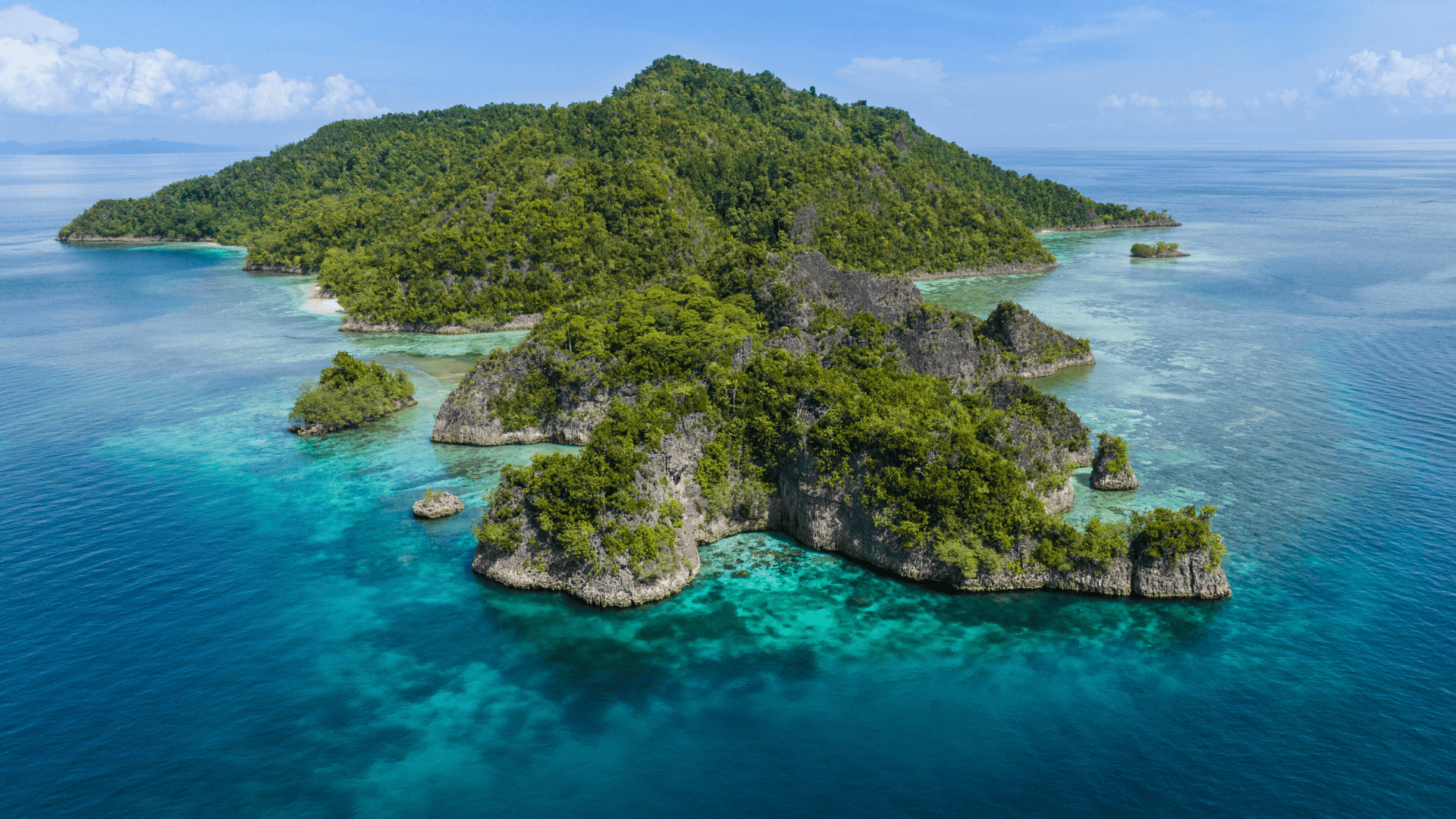
Known as The Last Paradise on Earth, it offers exceptional natural beauty with the most diverse flora and fauna both on land and in water. Far in the East of Indonesia where it is also within the heart of the Coral Triangle, it becomes home to over 500 coral species.
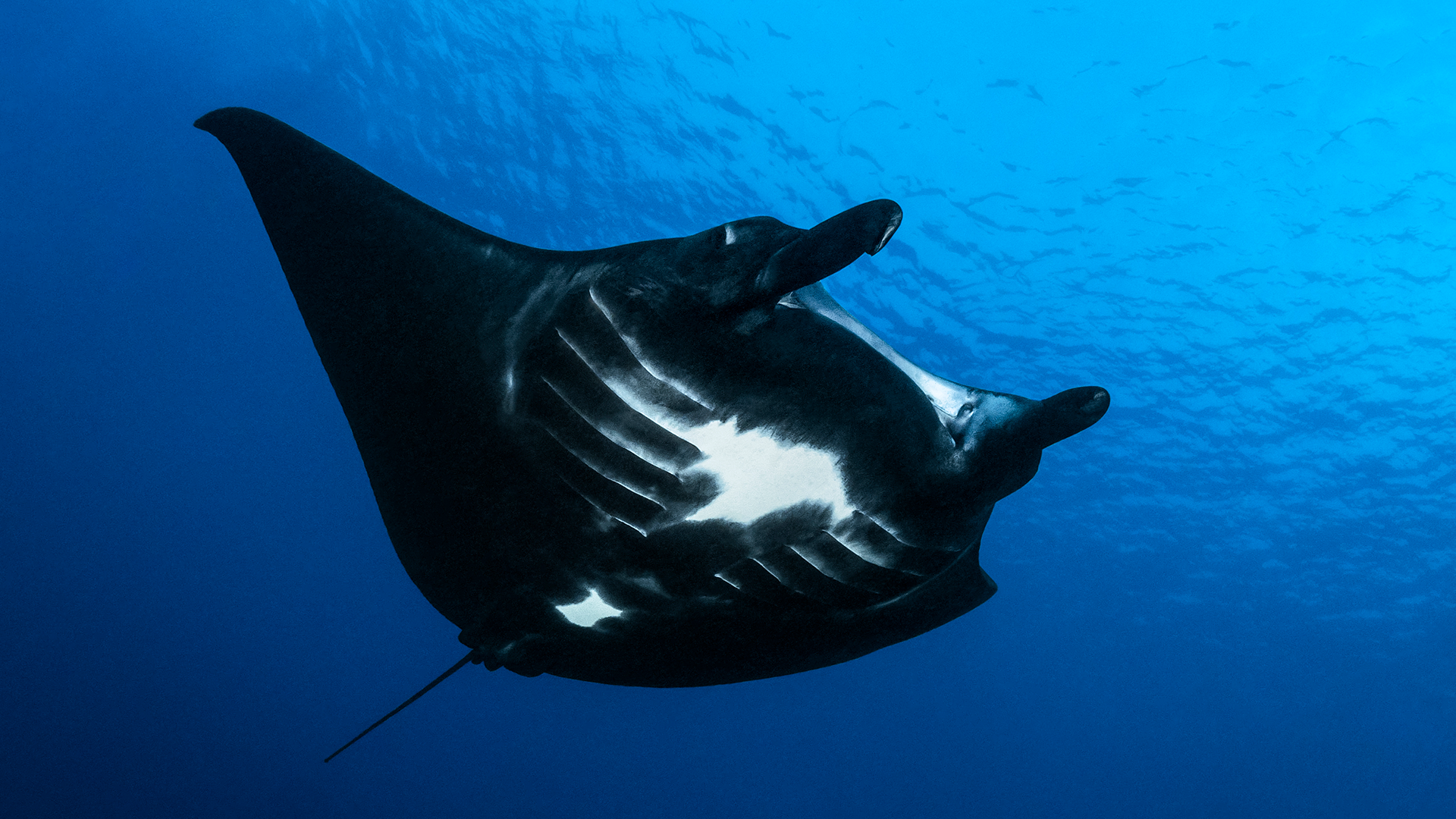
Snorkelers and divers will not only enjoy the underwater forests but they will also encounter an abundance of megafauna such as sea turtles, manta rays, whale sharks, and whales. If you’re lucky, you might encounter “walking” sharks known as Epaulette Sharks.
Beyond its cultural richness, this destination invites you to encounter endemic species found nowhere else in the world, seen here in their natural habitat. Beneath the surface, its waters reveal 75% of the world’s reef fish and the breathtaking beauty of vibrant coral reefs.
What to expect when you’re diving in the Banda Sea?
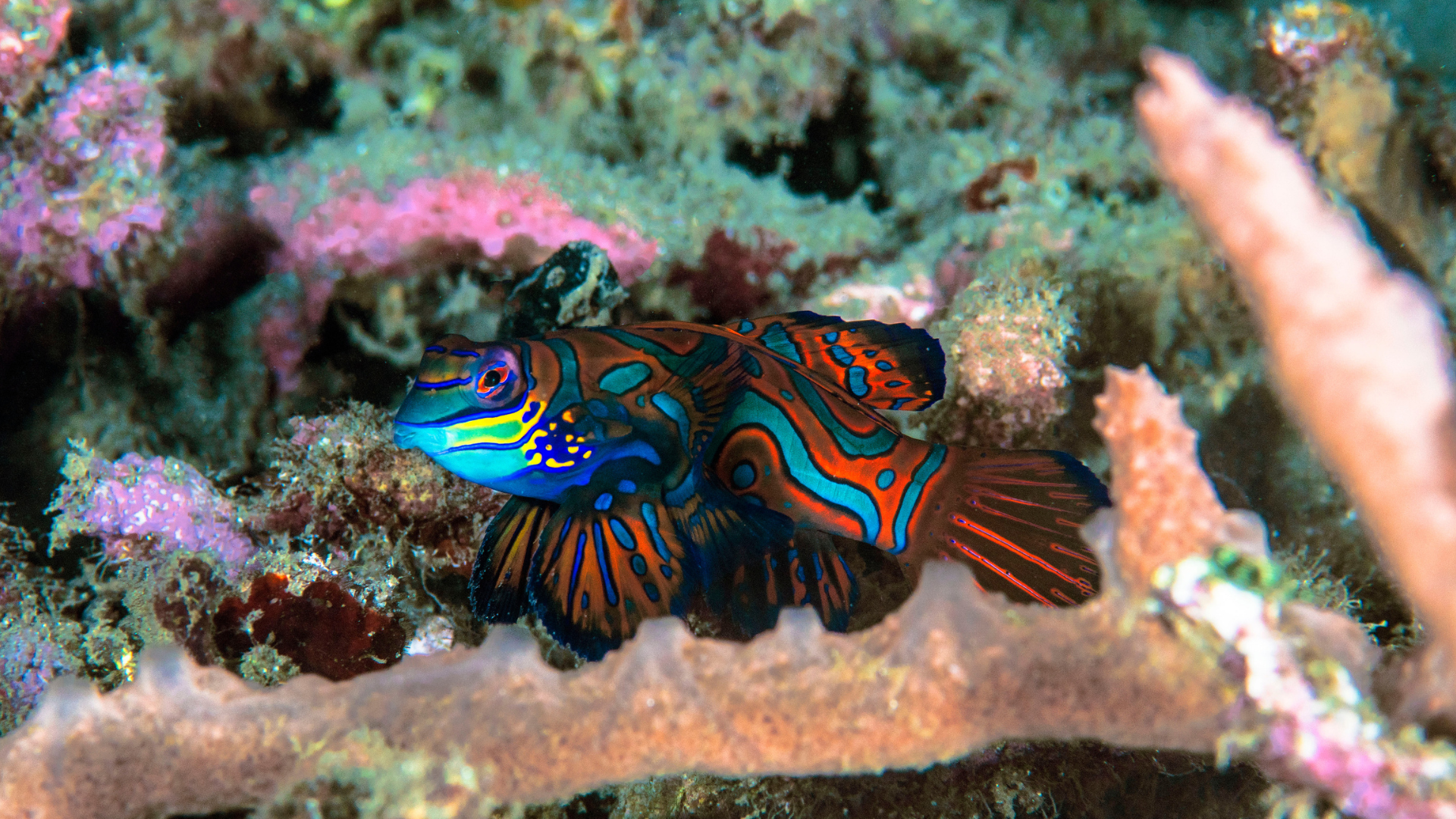
For divers, the Banda Sea is especially appealing because its sites are known for strong currents, healthy reefs, hammerhead sightings, sea snakes, and large schools of fish, making it a compelling choice for travelers seeking more adventurous underwater experiences. Not only the megafauna that Raja Ampat is known for, Banda Sea also offers overflowing small creatures such as mandarinfish, frogfishes, seahorses, scorpionfishes, nudibranchs, and everything in between. Today, it is also recognized as a major marine biodiversity area within the Coral Triangle, with high coral and reef-fish diversity and habitats that support both reef life and pelagic species.
The Banda Sea is the sea of the South Maluku in Indonesia, surrounded by Sulawesi, Ambon, Buru, Seram, East Nusa Tenggara, the Halmahera and Seram Seas. It is one of Indonesia’s most remote and historically significant seascapes, shaped by volcanic islands, deep waters, and a long spice-trade legacy that helped make the region an early center of regional and colonial attention.
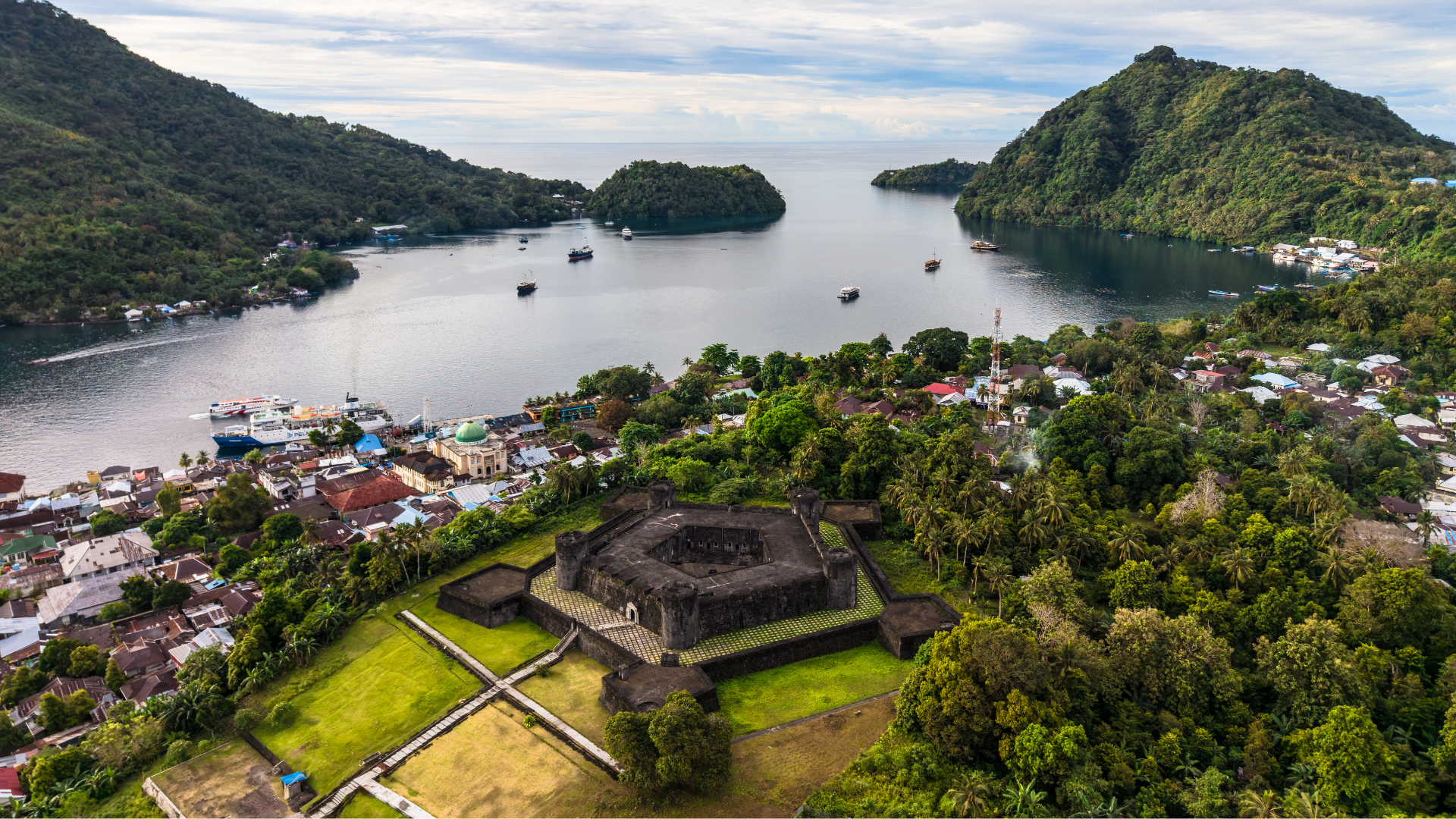
Above the water, the Banda Islands add cultural depth and scenic beauty, giving the destination a rare combination of history, seclusion, and natural wonder. You will also weave through islands such as Banda Neira, Suanggi, Nusa Laut, Manuk, and Serua. Banda Neira is the most historic of the group, with its spice-trade past and colonial remnants, while the others feel wilder and more secluded, shaped by volcanic terrain and a real sense of isolation.
How different is it to dive in Raja Ampat and Banda Sea?
Raja Ampat and the Banda Sea both promise exceptional diving, but they offer very different experiences. Raja Ampat is known for its lush reefs, extraordinary marine biodiversity, and broad appeal to both divers and snorkelers, while the Banda Sea feels more remote and expedition-like, with stronger currents, pelagic encounters, and a greater sense of isolation above the surface.
Here’s how the two destinations compare:
| Aspect | Raja Ampat Liveaboard | Banda Sea Liveaboard |
| Overall feel | Lush, biodiverse, and reef-rich | Remote, adventurous, and more expedition-style |
| Underwater highlights | Coral gardens, reef fish, manta rays, sea turtles, whales | Hammerheads, sea snakes, pelagics, strong reef life, macro species |
| Dive conditions | Often gentler in many areas, though some sites can have current | Stronger current and better suited to confident divers |
| Best time to go | October to April, with many guides also describing it as a year-round destination with peak conditions in that window | March and October are commonly cited for Banda Sea crossings and liveaboard seasons |
| Water temperature | Around 28–30 C, depending on the area and season | Warm tropical waters, with temperatures varying by route and season |
| On-land temperature | Warm and tropical year-round | Warm and tropical year-round |
| Best for | Divers, snorkelers, and photographers (beginner-friendly!) | Experienced divers seeking a more remote adventure |
source: coralbound, watertemp, wayfar
How to get to Raja Ampat Liveaboard or Banda Sea Liveaboard?
Raja Ampat is usually reached by flying into Sorong (SOQ), then continuing by transfer to your liveaboard, depending on the itinerary and pickup point. For the Banda Sea, the main gateway is typically Ambon (AMQ), with liveaboards generally departing from Ambon port or, on some routes, Tulehu harbor. Because Banda Sea itineraries are often one-way crossings, it’s always best to confirm the exact embarkation and disembarkation ports with your operator before booking.
If you’re planning to explore Raja Ampat or the Banda Sea by liveaboard, DUNE Aurora offers a comfortable way to experience these remote waters. You can take a look at the available itineraries and choose the route that best matches your travel plans, whether you’re more drawn to Raja Ampat’s reefs or the more adventurous side of the Banda Sea.